
Custom Resin Mold Design Tips: Undercuts, Shore A & Demold Paths
Design custom resin molds that demold without tears - undercut rules, Shore A selection, pour vents, and multi-cavity layout for epoxy, UV, and casting resin from MOQ 50.
 Kyler Yang · Founder7 min read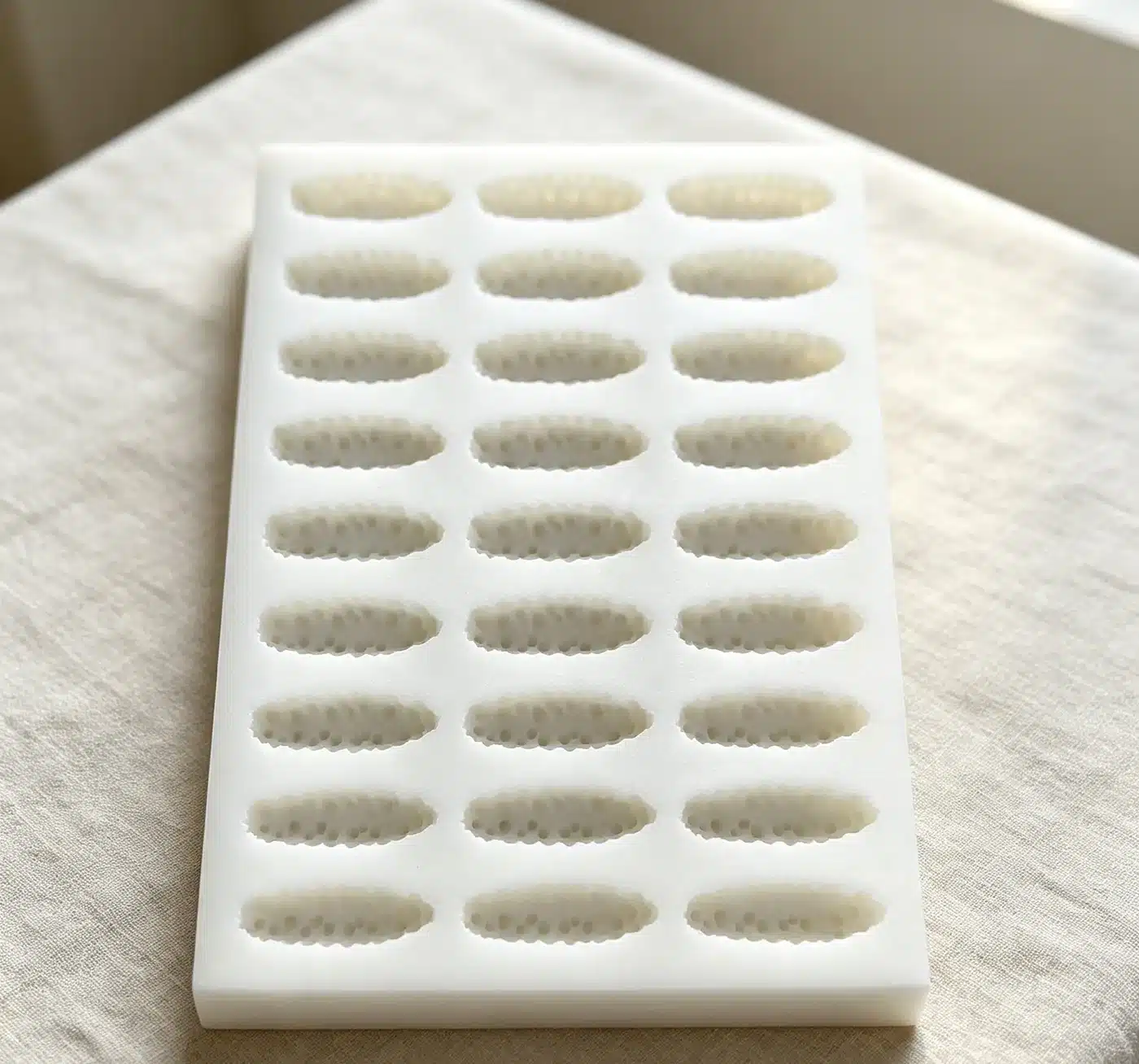
On this page
Custom resin mold design is the difference between coasters that pop out in ten seconds and coasters that tear the mold on pull three. This guide covers undercuts, Shore A hardness, demold paths, and venting for custom silicone resin molds - the production path RUUIPON uses for makers, Etsy brands, and OEM gift lines from MOQ 50.
Quick answer: Plan a visible demold path before cavity count. Use tin-cure or platinum-cure silicone matched to your resin chemistry, Shore A 20-30 for deep flex demolds or 30-40 for multi-cavity sheets, 2.5-5 mm wall thickness, and eliminate hidden undercuts unless you accept two-part tooling. Prototype one cavity before scaling.
Resin Molds: Design First, Cavities Second
Resin artists and product brands often request maximum cavity count before validating geometry. That order backwards is why trays tear at cavity 14 on the first production week.
RUUIPON builds custom resin molds for coasters, jewelry blanks, game tokens, branded paperweights, and promotional castings. Our buyers typically run epoxy, polyurethane, or UV resin in small-to-mid batch sizes - not industrial rotocast lines. For craft and OEM buyers, see crafts & resin solutions.
Undercuts & Parting Lines
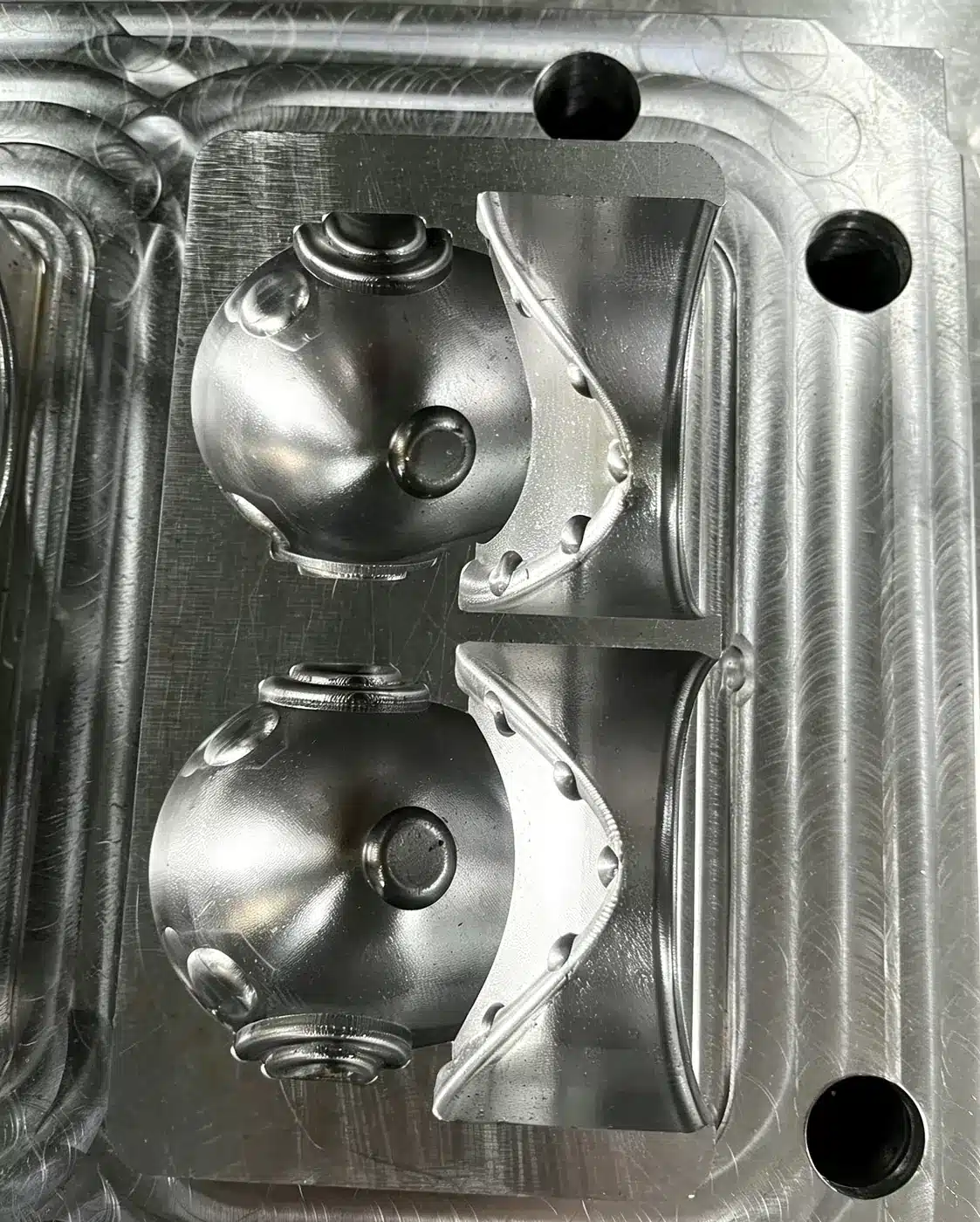
Silicone stretches; cured resin does not. Any cavity feature that hooks inward on the demold path will lock the cast unless you flex the mold aggressively or split the tool.
| Undercut type | Silicone strategy | Design fix |
|---|---|---|
| Shallow lip (<2 mm) | Flex peel | Add 2-3° draft |
| Side hole / tunnel | Two-part mold | Relocate feature post-cast |
| Deep hook (>3 mm) | Split line or soft shim | Redesign master |
| Text on vertical wall | Draft + shallow depth | Move text to top face |
- Mark demold direction on CAD - one primary pull axis.
- Highlight undercuts in red on a screenshot; we will confirm split need.
- Prefer open-top cavities for coasters and flat embeds.
- Accept split lines on 3D figures rather than tearing a one-part tray weekly.
Cross-reference: undercuts & draft angles and platinum vs tin cure.
Shore A Hardness Selection
Shore A controls how much the tray flexes versus how well it holds shape on a multi-cavity sheet.
- Shore A 10-20 - deep cups, large single-cavity pulls, maximum flex
- Shore A 20-30 - most coaster and jewelry molds; good detail pick-up
- Shore A 30-40 - 6-24 cavity sheets that must stay flat on the bench
- Shore A 40+ - rare for resin; can fight demold on deep parts
Full guide: Shore hardness guide. Inhibitors in some epoxy systems require platinum-cure compatibility testing - note your resin brand in the brief.
Demold Paths & Wall Thickness
Wall thickness is structural. Under 2 mm, multi-cavity trays tear at the web between cavities after dozens of pulls.
| Parameter | Typical spec |
|---|---|
| Wall thickness | 2.5-5 mm |
| Cavity spacing | 12-20 mm (coasters) |
| Outer rim | 10-20 mm grip frame |
| Draft on tall sides | 2-5° |
Vents, Pour Spouts & Bubble Control
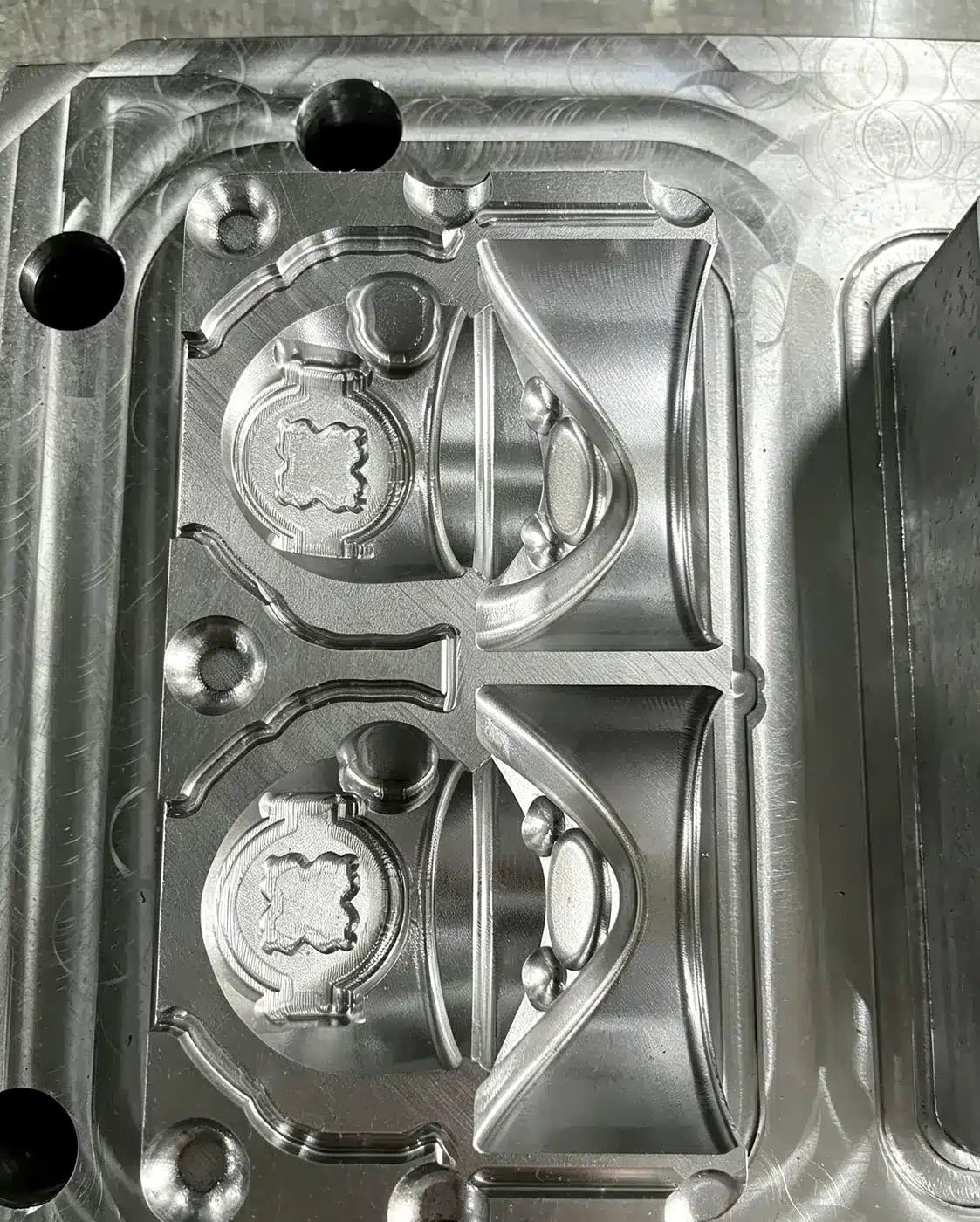
- Pour spout - widen entry so thick epoxy flows without trapping air at logo pockets.
- Micro-vents - 0.5-1 mm channels at highest internal points on deep cavities.
- Level pour height - mark max fill line to avoid meniscus overflow on open trays.
- Degassing - pressure pot on your side; mold cannot fix air trapped at pour time.
Home makers comparing DIY: how to make silicone molds at home.
Production Layout & MOQ at RUUIPON
Quote turnaround is typically ~24 hours with CAD attached. Prototype molds ship in 3-7 days. Production at MOQ 50 follows sample approval.
Related: multi-cavity layout, prototype to production, cost guide.
Get a quote - [email protected], WhatsApp +86 135 3006 2969.
From Maker Bench to OEM Production
Resin mold buyers often start on Etsy or at craft fairs, then land a corporate promo PO that requires identical casts across 2,000 units. The mold that worked for 30 weekend pours may not survive 300 pulls per month without layout and Shore A tuned for production.
| Phase | Volume signal | Mold action |
|---|---|---|
| Hobby / learning | <20 casts / month | DIY or single-cavity custom sample |
| Shop launch | 50-200 casts / month | MOQ 50 production tray, 6-12 up |
| Wholesale / OEM | 500+ casts / month | Rotation set + documented cycle replace |
| Corporate promo | One-time spike | Prototype fast (3-7 days), scale if repeat |
OEM promo items (branded coasters, desk weights, conference giveaways) need color-stable casts - inconsistent cavity depth shows through translucent epoxy dyes. Specify whether inserts (paper, fabric, LED void) affect wall thickness near embed zones. UV resin exotherm is lower than deep epoxy pours but repeated thin layers still fatigue soft Shore A lips over time.
Registration for two-part resin molds must include alignment keys robust enough for daily assembly - worn keys show as flash lines on corporate logos. If your operator team is non-technical, prefer one-part open-top cavities over complex splits unless the shape demands otherwise. Document demold in a one-page SOP with photos; labor cost dominates resin SKU economics more than silicone tray amortization at MOQ 50.
Pair resin mold orders with crafts & resin solutions review and small business guide. When epoxy brand changes, re-test inhibitor compatibility - do not assume new production resin matches prototype chemistry.
Colorant and filler choices change exotherm: copper mica and certain opaque pigments retain heat in thick pours. If your coaster is 12 mm thick epoxy, note pigment load in brief - we may recommend fewer cavities per tray so adjacent pours do not heat-soak neighbors. Thin UV layers in jewelry molds fatigue differently; rotation matters less but UV exposure to silicone during cure can yellow tray surfaces over months - store trays out of direct sun.
Quality gates for OEM resin casts: measure cast weight variance, check back-face flatness against spec, and photograph logo fill at cavity corners where bubbles congregate. Reject tray revision if variance exceeds your customer SLA - not after 50 production pulls. Inventory spare trays at MOQ 50 reorder threshold so a torn web mid-PO does not stop shipment.
Educational makers reading DIY mold making graduate to custom when Etsy orders exceed home pour capacity - MOQ 50 is the typical step-up point where unit economics favor factory trays over weekend kit pours.
Embedding objects (flowers, chips, LEDs) changes demold stress - leave silicone wall thickness ≥3 mm around embed pockets and avoid sharp corners at embed perimeter. LED channels in resin paperweights often need two-part molds; brief whether cable exit is side or bottom. Post-cast drilling is valid alternative for small pilot holes when production volume does not justify split tooling complexity.
Trade show and corporate gift runs sometimes need rush prototype - 3-7 day window still applies but complete CAD accelerates start. Partial STL exports missing back face force quote delays; send watertight mesh or STEP solid. For glitter-heavy casts, note expected glitter load - excessive exotherm clustering at one cavity corner can indicate pour technique issue vs mold issue; diagnose on prototype before blaming production tray.
Matte vs glossy cavity finish affects cast appearance on resin more than food - specify desired cast surface when aesthetic is brand-critical. Polished masters can be replicated in silicone but may require sealed glass-smooth master; discuss finish target in quote. Brand color Pantone on resin cast is pigment choice, not mold feature - but mold texture changes light reflection on metallic pigments.
Wholesale resin product lines should align mold reorder with SKU discontinuation - archive CAD revision when retiring SKU so production never ships obsolete tray. MOQ 50 reorder of unchanged tray skips prototype; 2-4 week production plan avoids stockout on bestseller coasters.
Assembly-line thinking for resin casting: standardize pour time, demold time, and trim time per tray in SOP - mold layout should match takt time target. If demold exceeds pour cycle, extra trays in rotation set beat higher cavity count on one floppy sheet. Document in brief when you run one-operator vs two-operator bench.
UV resin doming on keychains needs shallow cavity with slight meniscus lip - overflow channel discussion in quote prevents resin flooding tray web on first production week. Share UV lamp wattage and cure seconds if known; undercured UV pulls tacky and stresses cavity lips on demold.
Frequently Asked Questions
What resin mold MOQ does RUUIPON offer?
MOQ 50 production pieces per design.
Tin-cure or platinum-cure for epoxy?
Many epoxies inhibit platinum cure - share your resin SKU. Tin-cure is common for general epoxy; confirm compatibility before production.
How many cavities for coasters?
6-12 is typical after a single-cavity sample passes demold.
Can silicone capture fine texture?
Yes - leather, stone, and wood grain transfer well if the master is sealed and draft allows release.
How long do resin molds last?
Depends on resin chemistry, demold abuse, and Shore A. See mold lifespan & care.
Prototype timeline?
3-7 days after CAD approval.
What to send for a quote?
STL/STEP, resin type, target cavity count, daily output. See brief checklist.
Ready to order custom silicone molds?
Free quote for OEM/ODM projects. MOQ 20 · Prototype 3-7 days · FDA/LFGB available.