
custom silicone resin molds
Custom Silicone Resin Molds
- DFM
- Before tooling
- Release
- Peel / slit / split
- Support
- If the pour needs it
- Surface
- From the master
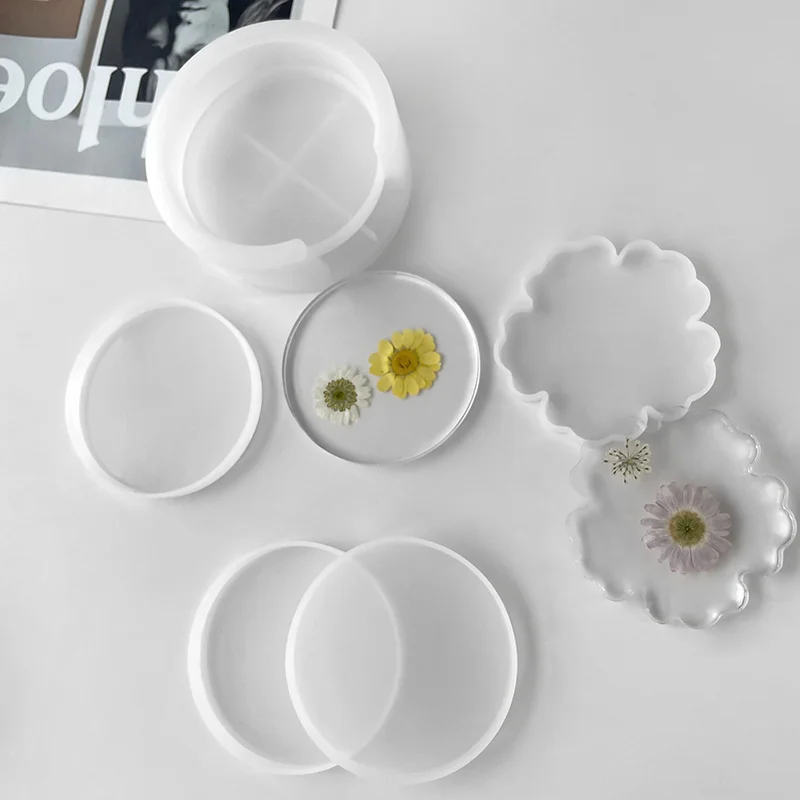
RUUIPON develops custom silicone resin molds from CAD, sculptures, samples and measured references. Tell us which resin you use and how the finished casting should look. We review the release path, surface finish, cavity layout and support requirements before confirming the mold structure and quotation.
This page is the RTV mold you pour epoxy or polyurethane into. Bubbles on the first pours are fill path and vents. Platinum that stays tacky against an SLA master is cure inhibition. Heat after the pour, versus a part that locks in the cavity, is exotherm and release.
How the Part Comes Out
Mold structure depends on the complete geometry and the intended release sequence. Some shapes can use an open mold; others may need a planned slit, split, removable core or support shell. Review enclosed features and undercuts before deciding how many mold sections are needed.
Flat-back and shallow pieces often leave in one piece. A closed form needs a parting line you can see on the casting, and a place for air to leave. A local hole is a plug. A tall pour that slumps while it cures needs a jacket. Cavity count comes after one part releases cleanly: multi-cavity layout. Undercuts and the split are in the resin mold design notes.
Resin and the Master
The cavity copies the master. Layer lines, a dull spot, and a seam show up in every casting. Approve gloss or matte on the master before the rubber is poured.
Epoxy, polyurethane, and UV resin do not share one Shore or one release plan. Send the resin name, the pot life, and how thick the pour is. If the master still has to be built from a photo, sketch, or CAD, start on epoxy molds from a file.
Custom/simple 3D is USD $50 when that scope applies. DFM review is free. A test pour with your resin is a separate line on the quotation.
What to Send
- STL, CAD, a sculpture, or measured photos;
- resin type, and pot life if you know it;
- the face that has to stay clean, and where a parting line may sit;
- undercuts, holes, and thin features;
- one cavity or a tray, and how many molds;
- whether you want a test casting before the repeat order.
Production is 20 mold pieces per design after you approve the prototype. Tooling price, lead time, and shipping are confirmed on that job.
Request a Custom Resin Mold Quote
Send CAD, STL, sample details or measured photos, plus resin type, finished size, surface requirements, mold quantity and any test-casting request.
Frequently Asked Questions
Can you make a resin mold from a physical sculpture?
Yes, if the sample can be molded or measured. A soft, dusty, or sealed surface is checked before it becomes the master.
Can you convert photos or 2D artwork into a 3D model?
Yes, after the scope is confirmed. Chargeable CAD starts only then. Photos still need dimensions.
What Shore A is best for resin?
No single number. A deep undercut wants a cavity that peels. A wide flat pour wants a jacket if the mold sags while the resin kicks. Shore follows the geometry.
Can you make a test resin casting before repeat production?
Yes when the quotation says so. Name the resin and what you will accept: fill, seam, face, or a fragile tip.
Mahjong-tile craft clip
Tile face in a craft RTV tray. Same geometry family as resin / plaster dumps — not a chocolate or gummy tool.
Mahjong-tile cavity, craft dump
Tile face copied into a white RTV tray. Craft / resin job - do not read this as a food-contact mold.