
Silicone Mold Lifespan & Care: How Many Cycles Before You Replace
Extend silicone mold lifespan with proper care - cycle counts by material, cleaning, storage, and when to reorder production trays at MOQ 50 from RUUIPON.
 Kyler Yang · Founder7 min read
On this page
Silicone mold lifespan is not a single number - it depends on casting material, demold technique, Shore A hardness, cavity spacing, and whether you run food-grade or high-fragrance workflows. This guide gives realistic cycle ranges and care steps for RUUIPON custom silicone molds across resin, food, candle, and soap production.
Quick answer: Well-designed platinum-cure production trays often deliver hundreds of cycles for resin, 200-500+ for chocolate and baking with proper care, and lower counts for aggressive lye soap or max-fragrance wax. Replace when you see tearing at webs, permanent deformation, surface tack that affects release, or dimension drift beyond your QC tolerance. Reorder production at MOQ 50 - prototype not required if design unchanged.
Lifespan Starts at Design
Mold care cannot fix a tray that was torn by day one because walls were 1.5 mm on a 24-cavity sheet. Design rules - draft, spacing, Shore A - from undercuts & draft and multi-cavity layout set the ceiling. Care sets the floor.
Cycle Expectations by Use
Ranges are typical for production-grade platinum-cure trays with 2.5-5 mm walls - your mileage varies.
| Application | Typical cycle range | Main wear driver |
|---|---|---|
| Epoxy / UV resin (coasters) | 300-800+ | Demold stress, exotherm |
| Chocolate / baking (food grade) | 200-500+ | Cleaning, fat, acids |
| Gummy / candy | 200-400+ | Acid, colorants, starch |
| Candle pillars | 100-300+ | Heat, fragrance |
| Wax melts (high fragrance) | 100-250+ | Fragrance load |
| Cold process soap | 100-200+ | Lye, aggressive peel |
| Ice (hospitality) | 500-1000+ | Low chemical attack |
Material choice: platinum vs tin cure | Hardness: Shore A guide
Failure Modes & Warning Signs
- Web tears - rip between cavities; tray still usable with reduced spacing support - reorder soon.
- Permanent set / warp - tray no longer sits flat; chocolate thickness varies.
- Surface tack or stick - especially fragrance wax and some epoxies; release degrades.
- Micro-tears at lips - scuff on chocolate facets or resin edges.
- Dimension creep - cavities grow slightly from repeated flex; weight drift on wax melts.
- Discoloration - cosmetic only unless paired with stick.
Cleaning & Storage
| Do | Don't |
|---|---|
| Warm water + mild detergent | Knife prying on silicone lips |
| Air dry flat on rack | Stack heavy trays while warm |
| Inspect webs weekly on high-output lines | Abrasive scouring pads on glossy food cavities |
| Store away from UV and ozone | Soak in unknown solvents |
| Rotate trays in rotation set | Single tray 24/7 max fragrance without rest |
Food molds: follow FDA/LFGB handling for audit trails. Release agents: release guide - avoid buildup on food trays.
Extending Mold Life in Production
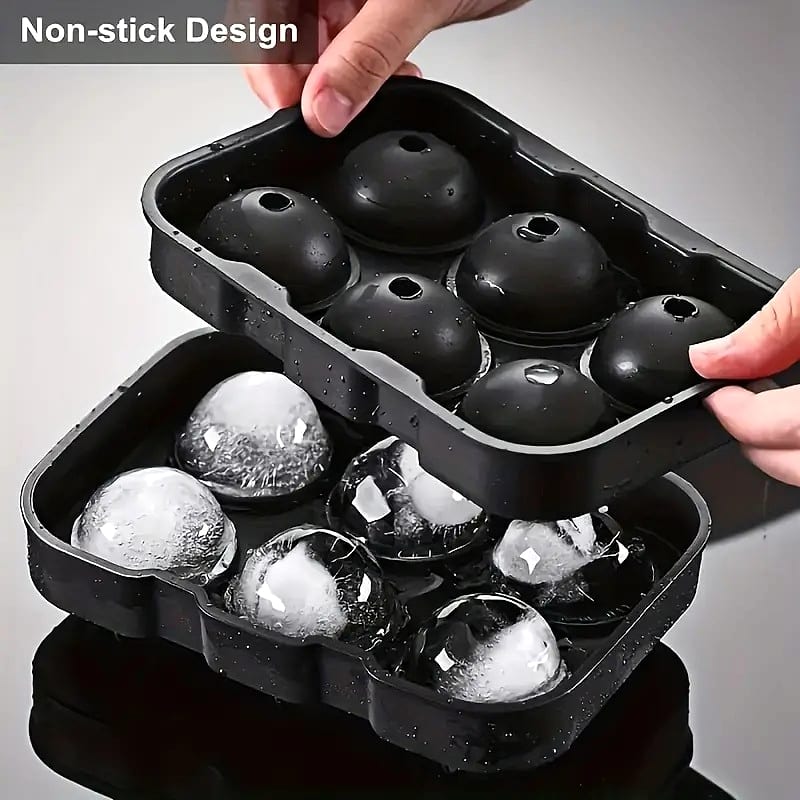
- Standardize demold - flex from edges; no nail digs at lips
- Match Shore A to layout - soft sheets on dense trays fail faster
- Run rotation sets - three trays at 33% duty each beats one hero tray
- Control exotherm - thick resin pours in small cavities heat-stress silicone
- Document cycle counts - replace on schedule before QC drift
Design for longevity: resin tips | candle guide | soap guide
When to Replace & Reorder at RUUIPON
Reorder the same CAD production run at MOQ 50 - no prototype needed if design unchanged. Lead time typically 2-4 weeks production. New geometry still needs prototype 3-7 days.
Quote refresh ~24 hours. Cost guide | Contact | [email protected] | WhatsApp +86 135 3006 2969
Tracking Program: Simple Mold Asset Management
Treat silicone trays like any production asset - assign ID, log cycles, schedule replacement before failure stops the line.
- Label each tray - SKU, cavity count, date received, Shore A, material batch code if provided.
- Log cycles weekly - spreadsheet column for pours per tray; flag at 80% of expected life.
- Photo inspection - lip micro-tears, web cracks, permanent warp; archive photos monthly.
- Cleaning sign-off - operator initials on food lines for audit trail.
- Reorder trigger - order MOQ 50 replacement at trigger, not after catastrophic tear mid-PO.
Multi-tray rotation spreads wear: three identical trays at 33% duty each often deliver 2× calendar life versus one tray run until failure. Production managers sometimes underestimate demold abuse - training beats harder silicone alone. Standardize peel technique in onboarding; nail digs at cavity lips are the leading mechanical failure mode across resin and food categories.
Food-grade trays on audit: document that molds are cleaned per SOP and stored off ground, away from chemicals. Lifespan end does not always mean trash - retired trays can move to R&D or color-test duty if food contact rules allow separation. Non-food resin trays have longer second-life utility for internal samples.
When reordering identical tools, reference original PO number and CAD revision - RUUIPON skips prototype on unchanged spec, typical production 2-4 weeks. Changed geometry (even "small" logo tweak) requires new prototype 3-7 days. See prototype to production.
Insurance and business continuity: some brands keep one cold spare tray per critical SKU - MOQ 50 reorder stored unopened - so line stoppage from tear mid-week does not miss retail cutoffs. Cost of spare is often less than one lost wholesale PO. Document expected cycle life in internal SOP so finance approves spare budget proactively.
Silicone is not infinitely recyclable in production context - retired food trays should not downgrade to non-food without clear segregation; resin R&D reuse is fine with labeling. Environmental programs asking for material data sheets should request supplier TDS from your PO file - RUUIPON provides material documentation available from silicone manufacturer batch.
Freezer-to-oven trays (if used for dual-purpose programs) need explicit max temp on brief - standard food grade handles bake temps; ice-only trays may use same grade but different Shore A for cold peel. Do not use ice trays in oven without confirming temp rating on PO.
Operator ergonomics: tray outer frame and mass affect repetitive strain on high-volume demold - oversized trays without grip rim slow line; include operator hand size and left/right dominant workflow in brief for layout. Production engineering pays back in labor cost faster than silicone material savings from thin walls.
Seasonal business shutdowns ( summer soap makers, holiday-only bakers ) should store trays flat with light interleave paper - not folded in half. Inspect webs before first seasonal production run after storage; UV from warehouse skylights over months can surface-oxidize silicone cosmetically without failing food grade if material batch docs intact.
Capital budgeting: amortize MOQ 50 tray cost over expected cycles from table in this guide - resin coaster tray at 500 cycles often costs cents per cast in tooling amortization; compare to marketplace tray replaced three times from tears. Finance teams appreciate cycle-based replacement forecast tied to reorder PO at MOQ 50.
Insurance claims for production interruption rarely cover worn molds - maintain spare tray budget line item like any consumable tooling in food and craft manufacturing. Document tear photos for internal RCA even if not insurance claim - helps train staff on peel technique vs material defect.
Silicone mold lubricants marketed online are not always food-approved - avoid experimental sprays on food trays without documentation. When release degrades, clean first, then reorder at MOQ 50 if surface is worn - not default to unknown spray.
New employee training should include "do not use knife on silicone" poster at demold station - single slip cuts cavity lip and starts tear propagation. Spare tray from MOQ 50 reorder on shelf beats explaining missed shipment to wholesale account because one operator pried with metal tool.
Record mold ID in batch traveler for food and cosmetic adjacency programs - trace which tray produced which lot when audit asks. Simple alphanumeric sticker on rim survives most wash cycles when placed away from cavity lips.
Ultrasonic cleaners sometimes damage thin silicone webs - hand wash food trays unless equipment vendor confirms safe power setting for platinum cure at your wall thickness.
Photograph tray condition at receiving and at 100-cycle interval - visual history supports warranty discussion if premature wear occurs versus normal cycle consumption for your material class.
Discard tray from food production if cavity surface cuts deep enough to trap bacteria beyond sanitation - cosmetic micro-tear vs food safety cutover is internal QA call documented in your HACCP plan.
Rotate demold hand tools - plastic scrapers beat metal for lip life; small tool cost saves full tray MOQ 50 replacement when metal gouges accumulate on cavity edge.
Frequently Asked Questions
How many pours from a custom silicone mold?
Highly variable - resin coasters often 300-800+; high-fragrance wax may show stick sooner. Design and care matter more than a marketing number.
Can torn webs be repaired?
Temporary silicone patch possible in emergency; production QC should trigger reorder.
Does dishwashing hurt food molds?
Commercial dishwasher-safe grades exist - specify in order; harsh caustic cycles shorten life.
Why does one tray fail faster than identical?
Usually demold abuse, higher cavity duty, or chemical exposure - not random batch luck if same Shore A.
Reorder MOQ?
50 pieces per design at RUUIPON.
Need new prototype on reorder?
Not if CAD and spec unchanged - straight to production.
How to log cycles?
Sharpie tally on rim, spreadsheet per tray ID, or MES if you run formal QC.
Ready to order custom silicone molds?
Free quote for OEM/ODM projects. MOQ 20 · Prototype 3-7 days · FDA/LFGB available.