
Private Label Silicone Molds: OEM Brief for Brand Owners
Private label silicone molds OEM brief for brand owners - Shore A, food docs, MOQ 50, 3-7 day prototype, artwork ownership, and what to lock before packaging print.
 Kyler Yang · Founder5 min read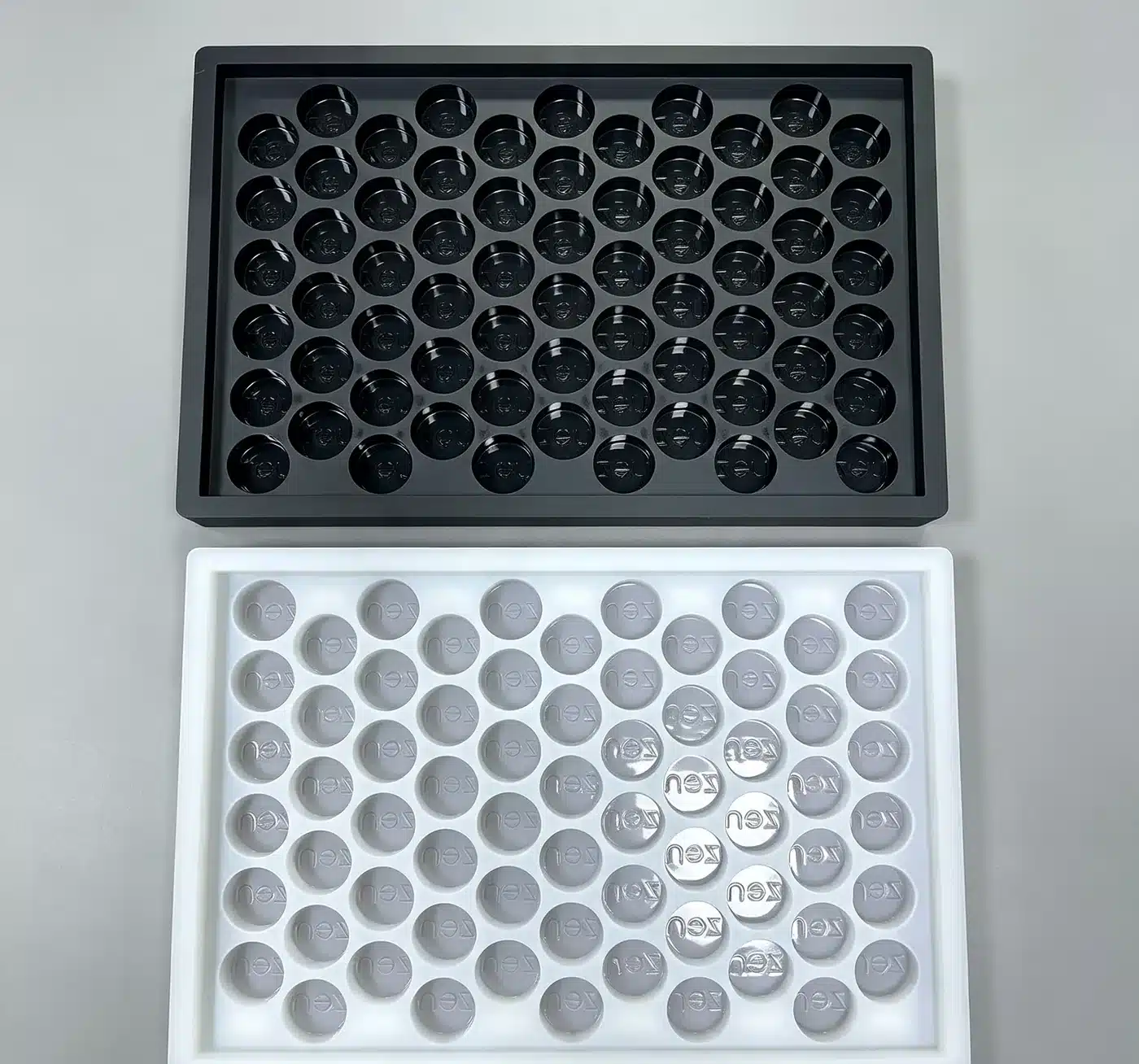
On this page
A brand owner came to us with packaging mockups already at the printer and a "private label" tray sourced from a catalog reseller. The silhouette was shared by three other Amazon listings. Sleeve art was exclusive. The candy shape was not. Returns mentioned "looks like every other mold kit." Private label failed at the cavity, not at the logo on the box.
If you need private label silicone molds through an OEM path, brief the tool like a product - Shore, docs, sample, ownership - before you spend on print.
You Own the Brand, So Own the Cavity
Private label is not a sticker on a generic tray. Retail buyers and end customers notice silhouette, demold feel, and piece consistency. Shared catalog geometry under exclusive packaging is a short-term listing trick that collapses when competitors use the same cavity photos.
Brand owners often brief agencies on font and color first. Brief the mold shop with the same seriousness: grams, Shore, food market, and who owns the master. Packaging cannot rescue a cavity every other seller can buy by SKU number.
RUUIPON OEM work for brand owners typically opens production at MOQ 50 per design after sample approval. Prototypes land in about 3-7 days after CAD approval; production commonly sits in a 2-4 week window. Complete OEM briefs usually get a quote within about 24 hours.
OEM vs Relabeled Catalog
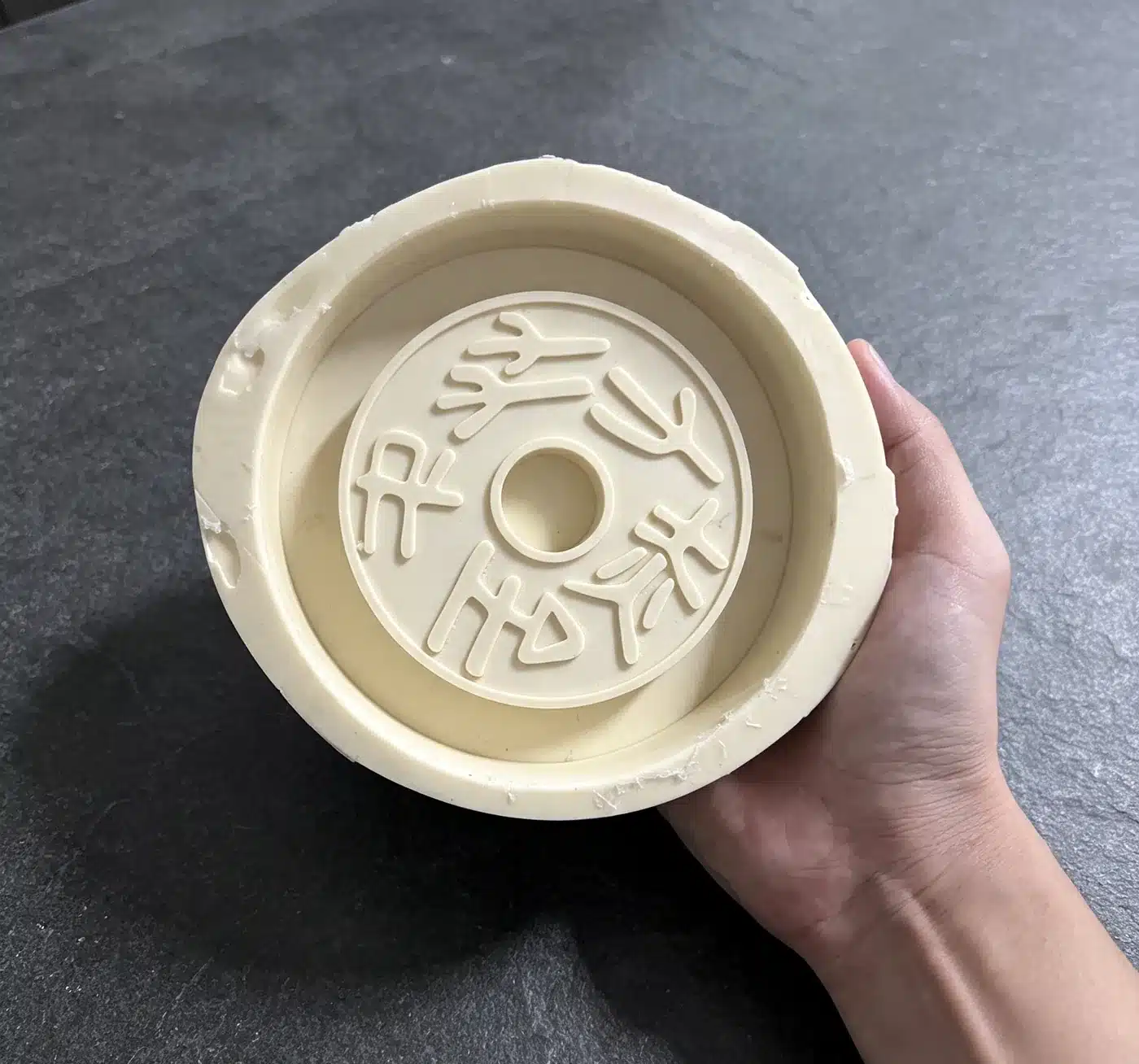
Relabeled catalog: fast, cheap unit price, zero exclusivity, Shore and food docs often vague. OEM custom: NRE + sample + your silhouette, Shore locked, food path named, revision control by CAD revision number.
Choose catalog only for internal tests. Choose OEM when Amazon, retail, or gift channels need a shape competitors cannot buy tomorrow. Product paths: custom silicone gummy molds and custom silicone chocolate molds depending on the SKU.
Ask the reseller one blunt question: can another brand buy this exact cavity tomorrow? If yes, your private label is packaging only. That can still work for a kitchen test kit. It fails when wholesale buyers expect exclusive geometry or when listing photos collide with three other ASINs.
Case (anonymized): a US private-label chocolate brand printed 5,000 sleeves before locking tooling. Catalog tray demold scrap ~11% and three competitors used the same bar outline. We cut an OEM tray at Shore A 30, logo 0.45 mm, walls ~3.3 mm, 8 cavities, FDA-facing docs on the quote. After a 3-7 day prototype and MOQ 50 production, scrap fell under 2% and listing photos finally matched a unique silhouette. Sleeve reprint cost more than doing OEM first.
OEM Brief Fields That Matter
Send more than a PNG of the box. Lock:
- Silhouette STEP or clean vectors; target piece weight in grams.
- Shore A band - chocolate often 25-40, sticky gels often 20-35. Guide: Shore hardness guide.
- Food-contact market - FDA-facing vs LFGB-style packs. Detail: FDA vs LFGB.
- Platinum-cure requirement for food production life - platinum vs tin cure.
- Cavity count from real output, not photo density - how many cavities.
- Who owns masters, CAD revisions, and whether the shop may show the shape in a portfolio.
Add co-packer constraints early: tray outer size that fits their racks, max weight per tray for hand peel, and whether they need matching tray sets for color runs. OEM fails quietly when the brand approves a beautiful tray the co-packer will not run.
Structure the ask with the RFQ template. Compare OEM PDFs with how to read a silicone mold quote so NRE, sample, and unit lines stay honest.
Private Label Decision Table
| Brand situation | Tooling path | Why |
|---|---|---|
| Exclusive retail / Amazon differentiation | OEM custom, MOQ 50 | Geometry exclusivity matches packaging claim |
| Kitchen test or influencer one-off | Catalog OK short-term | Do not print mass sleeves yet |
| Need FDA/LFGB questionnaire ready | OEM + docs on quote | Reseller "food safe" fails audits |
| Seasonal SKU every quarter | OEM with revision control | New silhouette without shared catalog look |
| Co-packer will run your formula | OEM sample pour first | Prove demold at their line |
| Budget only for labels, not tooling | Pause print | Labels on shared cavities waste cash |
If your investor deck says "proprietary shape" and your PO says catalog SKU, fix the tooling story before the next retail meeting. Buyers ask. Competitors screenshot.
Sample, Artwork, and IP
Prototype before packaging plate. Pour the real formula. Approve depth, Shore, flash, and demold in writing - after you approve the silicone mold sample. Put artwork ownership and portfolio permission in the PO. If the shop retains rights to resell your silhouette, you do not have private label - you have a shared tool with your sticker on the box.
Keep CAD revision numbers on sleeve proofs. We have seen brands print Rev B art while production shipped Rev A trays because marketing and purchasing used different Dropbox folders. One revision string on the PO, the sample email, and the print ticket.
Low volume launch economics: low MOQ custom silicone molds. Cost structure without sticker fiction: cost guide.
Timeline From Brief to MOQ 50
- Complete OEM brief + files - quote often within ~24 hours.
- CAD approval - then prototype typically 3-7 days.
- Sample pour with your formula; written sign-off.
- Production MOQ 50 - commonly 2-4 weeks after approval.
- Only then lock packaging print plates to the approved silhouette.
Skip step order and you reprint boxes. That pattern shows up in first-order mistakes more than any Shore debate. Build buffer for one sample revision - logo depth tweaks are normal, not failure. Brands that schedule print for the same week as first sample often pay twice.
Handoff Checklist Before Print
- Approved sample photos + gram checks attached to the PO.
- Shore A, cure system, and food-doc path named on the invoice.
- CAD revision number matches sleeve render.
- Reorders reference the same revision - no silent master swap.
- Co-packer sign-off on tray size and demold method if they run the line.
For multi-SKU private label lines, keep one Shore band per process family when you can - chocolate flex trays and pectin gel trays are not the same durometer, but three chocolate SKUs should not invent three hardness stories without a reason. Operators grab wrong trays when every SKU feels different for no process gain.
Send brand brief, silhouette files, target market, and packaging timeline to [email protected], WhatsApp +86 135 3006 2969, or /contact. We will say whether you need true OEM tooling or whether a catalog tray is enough for the next test run - usually within about 24 hours on a complete pack.
Ready to order custom silicone molds?
Free quote for OEM/ODM projects. MOQ 20 · Prototype 3-7 days · FDA/LFGB available.