
LFGB Silicone Molds for EU Import: What Buyers Must Request
LFGB silicone mold EU import checklist - what buyers must request for Germany and EU retail, migration reports, lot IDs, sample gates, and why FDA-only packs fail intake.
 Kyler Yang · Founder5 min read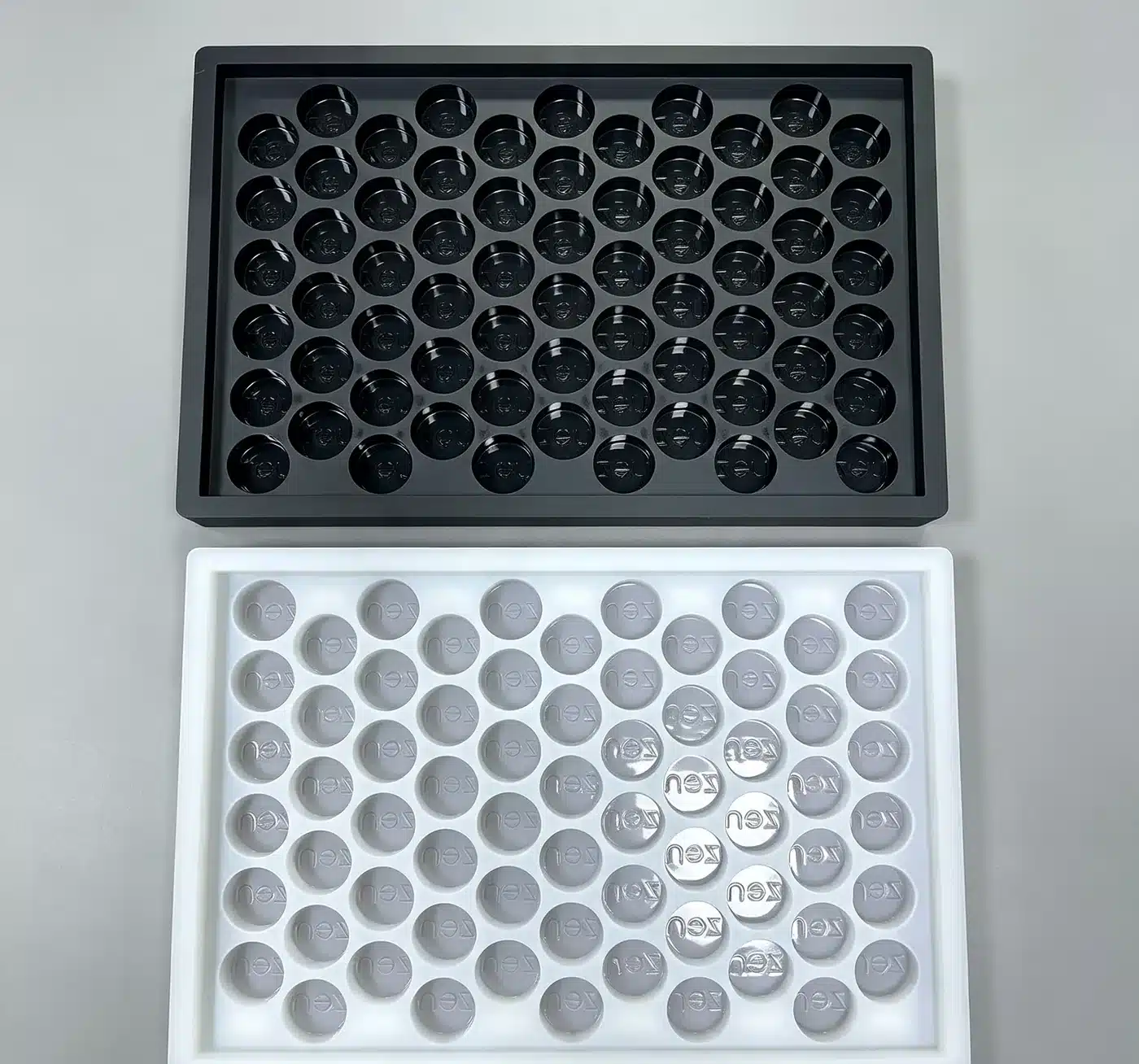
On this page
A Germany-bound confectionery importer forwarded us a US "FDA food grade" PDF and asked why their EU retailer rejected the silicone chocolate trays. The report covered a different contact path and never named LFGB-style migration testing for their use conditions. The containers cleared the port; the retailer intake did not. LFGB silicone molds for EU import fail when buyers assume one country PDF covers another.
If you ship molds or food made in those molds into EU retail, request the EU pack by name before you approve production - not after labels are printed. Intake calendars do not wait for a supplier to "translate" an FDA file that was never scoped for your pour temperatures.
FDA Language Does Not Equal EU Intake
US FDA-facing statements and EU/Germany LFGB-style expectations answer different questionnaires. Shipping trays with only a US pack into a German grocery program is a common delay. Name the destination on the RFQ: Germany retail, multi-EU Amazon, or both. Side-by-side primer: FDA vs LFGB.
Also write the food contact story in one sentence: chocolate at temper, warm gel pours, or room-temp candy only. That sentence drives which test conditions matter. A room-temp kitchen-mat report will not calm a retailer who asks about fatty food contact after warm demold. If your co-packer and your brand office send different questionnaires, merge them into one RFQ list before the factory quotes - two partial packs create the same delay as zero packs.
RUUIPON builds food-contact custom silicone chocolate molds and related trays with market named on the quote. Prototypes typically land in 3-7 days after CAD approval; production at MOQ 50 often follows in 2-4 weeks after sample sign-off. Complete packs usually get a quote within about 24 hours.
What Buyers Mean by an LFGB Pack
In buyer language, "LFGB pack" usually means food-contact silicone documentation aimed at German/EU retail expectations: material suitability statements, migration or sensory test reports from a named lab, and a link between those reports and your purchase order or mold SKU. Exact report scopes vary by use condition (temperature, contact time, fatty food vs dry).
Tell the supplier your real use. Platinum-cure food grade is the production baseline we recommend; tin-cure craft stock ages poorly under warm cooks - see platinum vs tin cure. If a seller offers "LFGB" only as a listing keyword with no report ID, treat it like any other empty claim.
Keep the paperwork and the tray geometry aligned. Deep logos that need pry create scrap and odor complaints that look like quality failures even when the certificate pack is clean. Keep emboss in the 0.3-0.6 mm band when marketing allows, and put Shore on the same PO as the docs line.
Must-Request Items for EU Import Buyers
- LFGB-style (or equivalent EU-facing) test report with lab name and report number.
- Declaration tying the report to your mold SKU / PO - not a generic mat PDF.
- Material grade: platinum food silicone named; Shore A band on the same quote.
- Lot / batch ID on packing list or tray label for retailer traceability.
- Use-condition notes matching your process (temps and contact times if asked).
- Sample tray approval before MOQ 50 so odor and demold are checked on production rubber.
Blank "LFGB available" without a report ID is a risk flag. Ask for the report number before CAD approval so the factory does not quote industrial stock and scramble paperwork later. Compare NRE, sample, docs, and production lines on one page so a cheap unit price cannot hide a missing EU pack.
Sample Gate Before MOQ 50
EU retail launches punish late surprises. Pour your real formula on the sample. Check demold, flash, piece weight, and odor after wash. Soft chocolate trays often land in Shore A 25-40; sticky gels may need softer bands. Hardness primer: Shore hardness guide.
Approve the sample in writing with numbers: grams, Shore target, logo depth, flash notes, and whether spray was required. Vague "looks good" emails are how sticky trays reach a container. If the sample needs heavy spray to pass, reject the sample - do not hope production rubber feels different.
Case (anonymized): an EU importer ordered 200 chocolate trays on a US FDA pack only. German retail intake rejected the file set. Remake on a documented LFGB-style path at MOQ 50, Shore A 32, logo 0.4 mm, sample pour in 5 days after CAD, production in 3 weeks after approval. Launch moved 6 weeks. Unit price on the first order looked lower; intake delay erased the savings.
EU Import Spec Table
| Buyer ask | What to put on PO | Fail mode if skipped |
|---|---|---|
| Market | Germany / multi-EU named | Wrong country pack arrives |
| Docs | LFGB-style report ID + DoC to SKU | Retailer rejects FDA-only PDF |
| Grade | Platinum food silicone + Shore A | Stock swap / odor complaints |
| Traceability | Lot ID on packing list | Cannot answer intake questions |
| Geometry | Logo 0.3-0.6 mm; walls 2.5-5 mm | Scrap looks like quality failure |
| Gate | Sample approve before MOQ 50 | Remake after labels print |
Print that table into your RFQ email. Factories respond faster when the ask is a checklist, not a vague "need food safe for Europe." Attach the retailer questionnaire as a PDF so report scopes can be mapped before CAD, not after the container is booked.
Common Misses That Delay Retail
- Assuming FDA language is "international food safe."
- Accepting a certificate for a different product family.
- Ordering MOQ without a sample pour under your cook cycle.
- Leaving Shore blank so the shop ships whatever hardness is on the shelf.
- Skipping lot labels to save a packing step.
- Buying dual-market trays with only one country pack on file.
Structure the ask with the RFQ template and add a docs line for LFGB-style report IDs, lot labeling, and sample approval. If you sell US and EU, request both packs on one PO - do not assume one PDF covers both.
Order Path That Clears Intake
Send destination markets, food type and temps, Shore target, logo depth, cavity count, and STEP or artwork. Ask explicitly for LFGB-style report numbers on the quote. Keep the retailer questionnaire list attached so we can map gaps before CAD, not after the container sails.
Email [email protected], WhatsApp +86 135 3006 2969, or /contact with your retailer questionnaire list. We will map which docs you need for EU import - usually within about 24 hours on a complete pack - then sample before MOQ 50 cash leaves.
Ready to order custom silicone molds?
Free quote for OEM/ODM projects. MOQ 20 · Prototype 3-7 days · FDA/LFGB available.