
Custom Wax Melt Mold Guide: Snap Bars, Clamshells & Consistent Weight
Design custom wax melt molds for snap bars, clamshells, and shaped melts - cavity weight control, fragrance compatibility, MOQ 50 from RUUIPON.
 Kyler Yang · Founder7 min read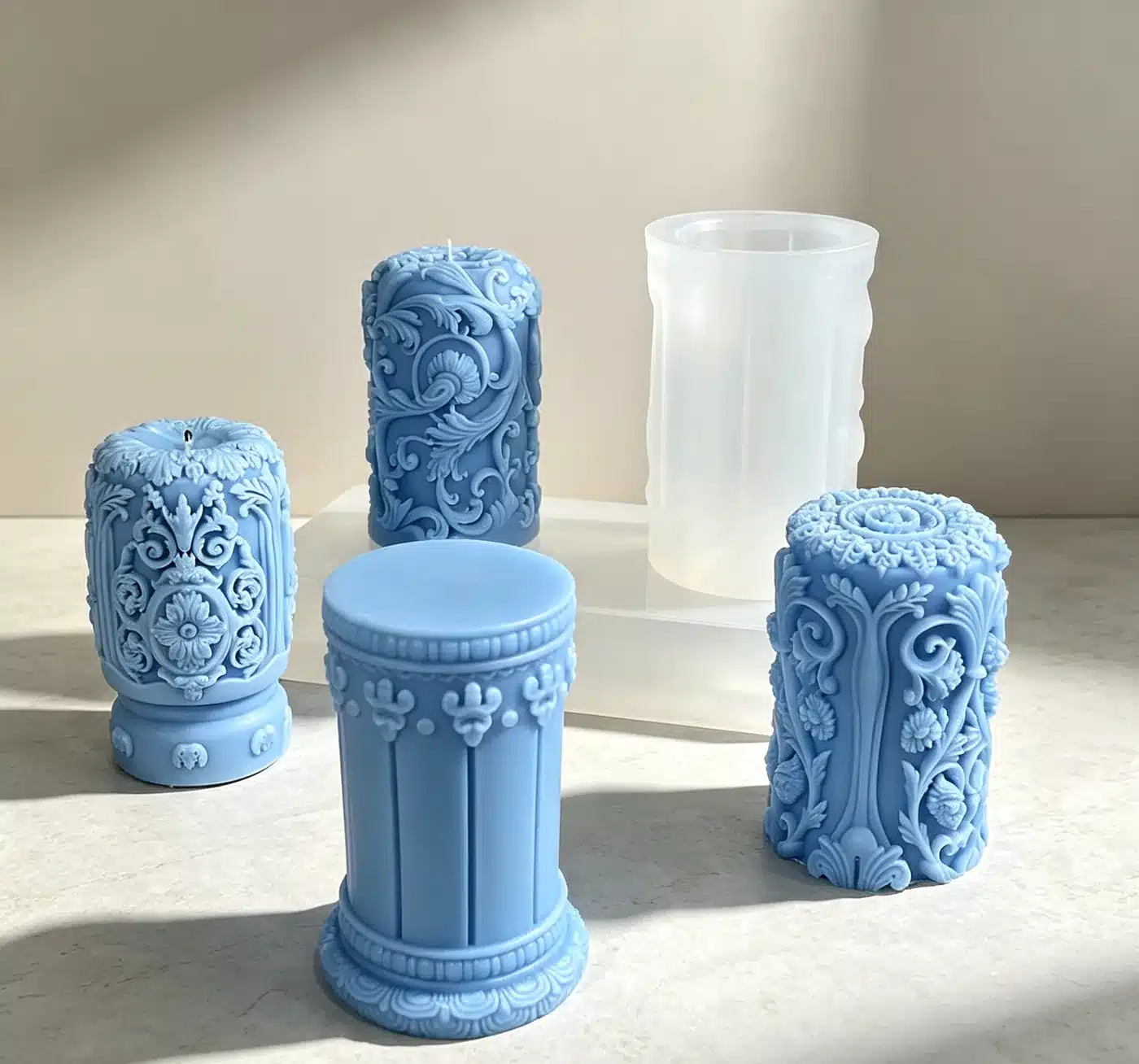
On this page
Custom wax melt molds let home fragrance brands ship consistent snap bars, shaped melts, and clamshell inserts where every cavity hits the same gram weight - critical for pricing, CLP labels, and customer trust. This guide covers formats, layout, and production specs for custom silicone wax melt molds at RUUIPON from MOQ 50.
Quick answer: Design cavity volume to target finished weight (e.g., 20 g per cube), use 8-15 mm spacing on multi-cavity sheets, Shore A 30-40 to keep trays flat under hot pour, and heat-stable platinum-cure silicone. Test fragrance load on prototype before scaling. Quote ~24 hrs; prototype 3-7 days.
Wax Melts: Weight Is the Product
Unlike decorative resin casts, wax melts are sold by weight. A tray that varies ±3 g per cavity creates relabeling headaches and chargebacks. Custom silicone lets you lock cavity volume to your wax blend density after one sample pour.
Related: candle molds | candle & soap solutions
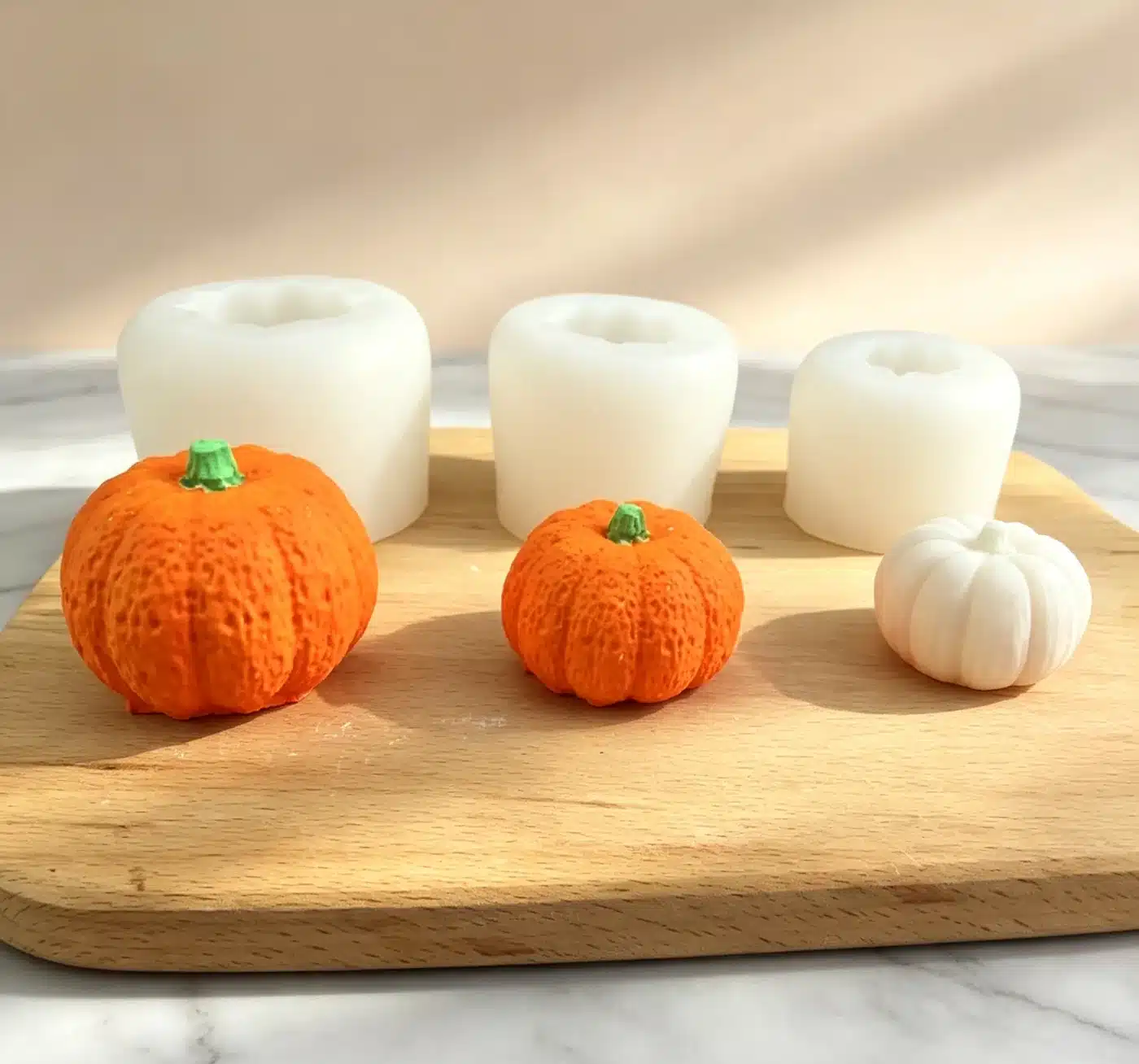
Snap Bars, Clamshells & Shaped Melts
| Format | Typical weight | Layout notes |
|---|---|---|
| 5-cell snap bar | 15-25 g / cell | Score lines optional in CAD discussion |
| Clamshell insert | 6-12 cells | Match standard clamshell outer |
| Shape melt (heart, logo) | 10-30 g | 1-12 cavities |
| Sampler pack mix | 5-10 g mini | Often one size per tray |
- Define sell weight per piece or per bar segment.
- Share wax density after sample pour if known (g/ml).
- Specify clamshell SKU if mold must nest inside stock packaging.
- Mark logo face - emboss depth 0.3-0.8 mm typical.
Weight Consistency & Cavities
Cavity volume is calculated from target grams ÷ wax density. We adjust CAD before cutting production tools.
- Flat pour surface - tray must sit level; specify if you use a leveling jig
- Identical cell depth ±0.1 mm on production trays
- 12-24 shallow cells common for snap production
- Start 1-6 cells on prototype to validate weight before dense layout
Layout math: multi-cavity layout | Cost: cost guide
Fragrance, Wax & Silicone Life
High fragrance load can soften silicone surface over time - same considerations as candle molds. Mitigate with heat-stable grade, cleaning discipline, and tray rotation on high-output lines.
Care cycles: mold lifespan & care
Production Scenarios: From Kitchen to Wholesale
Wax melt brands typically move through three mold stages - and each stage has different layout priorities.
| Stage | Typical output | Recommended tray | Why |
|---|---|---|---|
| R&D / scent line test | 5-20 bars per scent | 1-4 cavity prototype | Validate weight and release before SKU lock |
| Etsy / DTC launch | 50-150 bars / week | 6-12 cavity production | MOQ 50 matches first wholesale PO |
| Retail / clamshell retail | 300-800 bars / week | 12-24 cavity + rotation set | Throughput without thin-web tears |
| Multi-SKU house | Varies by season | Dedicated tray per shape | Mixed sizes on one sheet inflate scrap |
When you sell by weight, document cavity volume on your spec sheet alongside fragrance load and wax vendor batch. A 20 g target with ±1 g tolerance requires cavity volume control within roughly ±5% - achievable in silicone when density is confirmed on prototype pour. If your wax blend changes seasonally (different soy suppliers, additive packages), re-weigh on the original prototype tray before assuming production cavities still hit label weight.
Clamshell compatibility is a packaging spec, not an afterthought. Send the clamshell manufacturer drawing or a physical shell with your brief. We design insert height and outer footprint so the filled clamshell still closes without bowing - a common failure when cavity depth exceeds shell clearance by 2-3 mm. For snap bars sold loose in mailers, outer tray dimensions may follow your pour bench instead of clamshell geometry.
Home fragrance lines often pair wax melt trays with pillar or votive molds for the same brand. Locking Shore A and material batch across both SKUs keeps customer perception consistent (flex feel, color of silicone, release behavior). Mention sibling products in your brief if you plan to expand - layout can reserve design language (corner radius, logo style) across trays ordered in the same production window.
Quality control on wax melts should include gram weight per cell, snap segment break profile (if scored), and surface void check on logo emboss. Photograph the first production pour from each new tray and archive with tray ID - when reordering at MOQ 50 without prototype, that photo set confirms you are replicating an approved tool. Cost planning: custom mold cost guide.
CLP and fragrance labeling in EU markets tie declared weight to cavity consistency - document average cell weight from production tray certificate of conformance you maintain internally. High-vegetable wax blends may shrink more on cool; recheck weight seasonally if wax vendor changes. Sales channels like Etsy and Amazon often trigger returns when segment weights vary visibly in clamshell windows - tighter cavity control pays back in reviews.
Snap bar score features in silicone are design discussions, not guarantees - validate break feel on prototype before implying "snap" in marketing if your wax is hard brittleness formula. Soft wax may not snap cleanly regardless of score depth.
Subscription box wax melt assortments often use one tray shape across six scents - same cavity, different fragrance; rotation sets prevent scent ghosting in silicone pores. Extreme vanillin and cinnamon fragrance loads accelerate surface change - document tray ID per scent family if ghosting appears. Black dye wax may stain lighter silicone cosmetically without affecting food-grade status - cosmetic stain ≠ failed mold unless stick increases.
Farmer market and craft fair sellers scaling to boutique retail need weight labels - prototype weigh-in on 20 cells establishes average for label lawyer review before MOQ 50 production. Pair with candle guide when launching full home fragrance line under one brand book.
Retail clamshell suppliers change inner rib geometry without notice - verify clamshell lot yearly if insert fit critical; mold outer may need revision if clamshell SKU changes. Bulk wax delivery temperature affects first pour shrink; weigh cells after overnight cool, not hot pour minute.
Export to EU and UK markets may require CLP labeling tied to wax melt weight - cavity consistency from custom tray supports label accuracy better than hand-cut chunks from generic tray. MOQ 50 remains viable entry for boutique brands entering export without six-figure automation.
Home fragrance retailers running "mix your own melt" bars still benefit from standard cell weight in custom tray - staff scoop or pour into branded shape faster when cavity defines dose. Train staff on tray flex demold to avoid lip tears during holiday rush.
Potpourri and wax brittle adjacent products sometimes share wax melt tray with formula tweak - revalidate weight if brittle recipe denser than standard melt; cavity volume is formula-specific even when silhouette unchanged.
Warehouse club multi-packs of wax melts need clamshell count matched to tray cell count in brief - 8-count clamshell with 8-cell tray avoids repacking labor. Black Friday velocity plans should include spare tray MOQ 50 reorder placed before peak, not after tear discovery on busiest weekend.
Scent throw marketing for wax melts depends on surface area - same weight in thinner wider cavity vs deeper square changes customer perception even when gram weight identical; discuss marketing shape vs weight target in brief so cavity volume matches brand promise on package front.
Sample wax melt gift bags at retail checkout often use 2-3 small shapes - one tray with multiple cell sizes is possible but usually hurts weight consistency; separate trays per shape at MOQ 50 each is cleaner operations.
Vendor day at craft mall - bring prototype tray to show buyers consistent cell weight; production MOQ 50 order follows first wholesale account signing same month when cash flow allows.
Heat gun remelting scrap wax in same tray occasionally overheats silicone lip - train staff to remelt in separate pot, not torch tray directly; extends life between MOQ 50 reorders.
Label each tray with max pour temp rating sticker from your wax supplier safety sheet - operators switching wax blends without checking temp voids warranty assumptions.
Layout & Manufacturing Specs
| Spec | Typical |
|---|---|
| MOQ | 50 pieces per design |
| Shore A | 30-40 for flat sheets |
| Spacing | 8-15 mm between cells |
| Prototype | 3-7 days |
| Quote | ~24 hours |
Design to Production Workflow
- Brief with target grams, wax type, fragrance %, clamshell SKU if any
- CAD + layout recommendation in quote (~24 hrs)
- Prototype tray pour test - weigh every cell
- Adjust volume if needed before production MOQ 50
- Production ship 2-4 weeks after approval
Brief checklist | Contact | [email protected]
Frequently Asked Questions
Wax melt mold MOQ?
50 per design at RUUIPON.
Can you match clamshell inserts?
Yes - send clamshell outer dimensions and cell count.
How do you hit exact gram weight?
Cavity volume tuned to your wax density after prototype weigh-in.
Prototype timeline?
3-7 days after CAD sign-off.
Max fragrance load?
Share your formula; extreme loads may shorten mold life - we note in review.
Snap score lines in silicone?
Discuss in CAD - shallow V-features possible; validate on sample.
Quote turnaround?
About 24 hours with target weight and CAD attached.
Ready to order custom silicone molds?
Free quote for OEM/ODM projects. MOQ 20 · Prototype 3-7 days · FDA/LFGB available.