
First-Order Mistakes When Ordering Custom Silicone Molds (And How to Avoid Them)
The expensive first-order mistakes brands make with custom silicone molds - wrong cavity count, skipped samples, vague RFQs, and grade mix-ups - plus how to brief RUUIPON correctly.
 Kyler Yang · Founder5 min read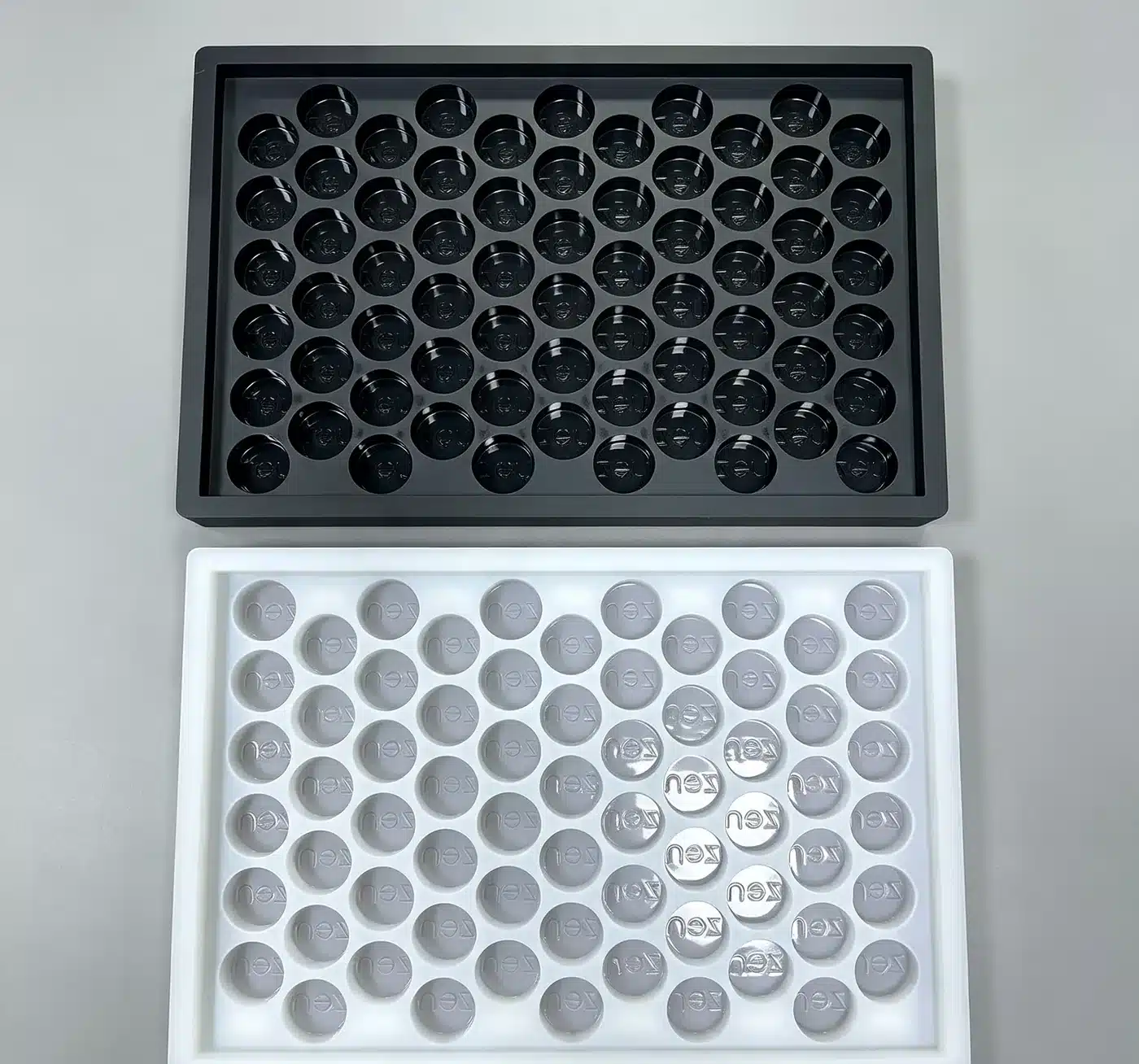
On this page
A chocolate brand emailed us last spring with fifty trays already on a boat - and a demold problem they had never tested. The cavities looked fine in photos. Their real couverture stuck in the logo wells, ears tore on pull, and the order sat in a warehouse while they waited for a redesign. That is the classic first-order mistake: paying for volume before you prove the pour.
Custom silicone molds are not catalog kitchenware. You are buying a casting tool. Treat the first PO like a process launch, not a shopping cart checkout, and you avoid most of the waste we see from new buyers.
The 200-Tray Problem
Buyers often start from fear of running out. They pad cavity count, pad quantity, and skip the sample because "we already know the shape." Then the formula behaves differently than the CAD assumed - shrink, stick, or flash - and the pad becomes scrap.
RUUIPON's production floor starts at MOQ 50 per design for a reason. Fifty good trays beat two hundred that fight your line. If you need a bridge before steel tooling, silicone is the right tool. If you already know you will run millions of identical gummies on a depositor line, a high-volume steel path may fit better than stacking silicone trays - we will tell you that on the quote call, not after you wire money.
Mistake 1: Ordering Max Cavities on Day One
Catalog photos reward dense sheets. Production rewards sheets that flex without tearing and still leave an operator a clean pull path.
Start with fewer cavities. A 6-cavity tray that demolds cleanly at cycle 200 is worth more than a 24-up sheet that cracks webs at week two. For most small shapes, plan 8-20 mm edge-to-edge spacing and walls in the 2.5-5 mm band. Thin webs look efficient on a screenshot and fail under row flex.
Match cavities to daily output, not ego. Under 100 finished pieces per shift often wants 1-6 cavities while you learn the formula. Scale after a clean demold test. More layout detail: multi-cavity silicone mold layout and how many cavities you actually need.
Mistake 2: Skipping the Sample Pour
Photos lie. Your material does not.
A prototype tray - typically ready in a few days after CAD sign-off - exists so you can pour your chocolate, resin, gummy gel, or wax under your temperature and release protocol. Approving from a render or a supplier photo of a different compound is how you lock in fifty bad tools.
Budget the sample as insurance, not delay. Redesigning after a full production lot costs more than one round of sample feedback. Workflow: prototype to production and sample vs production.
Mistake 3: Vague RFQs That Force Guesswork
Two suppliers quoting the same STEP file can still invent different jobs if your brief is empty. Missing Shore A, food-contact market, target piece weight, and demold method means each shop fills gaps differently - then you compare apples to oranges and pick the cheapest wrong answer.
| RFQ field | Why it matters | What happens if blank |
|---|---|---|
| Target piece weight / volume | Cavity size follows grams, not outer silhouette | Tray looks right, dose is wrong |
| Daily output | Drives cavity count advice | You get max density by default |
| Material you cast | Sets Shore, draft, release assumptions | Wrong hardness for sticky gels |
| Market (US / EU) | FDA vs LFGB documentation path | Retailer rejects the lot |
| Demold method | Flex-and-pop vs push-from-bottom | Walls too stiff or too soft |
Use a structured brief: custom silicone mold RFQ template. We usually reply within about 24 hours when files and specs arrive together.
Mistake 4: Wrong Silicone Grade for the Job
Tin-cure craft silicone is cheaper. It is also the wrong tool for most production food contact and for long cycle life on resin lines. Platinum-cure is the production baseline. Food trays need FDA-compliant or LFGB-tested compounds with paperwork that matches where you sell - not a vague "food safe" label on a listing.
Ordering industrial grade for Amazon FBA chocolate, then discovering the gap at audit, is an expensive first-order story we hear too often. Spec the market up front. Primer: FDA vs LFGB.
Mistake 5: CAD That Fights the Tool
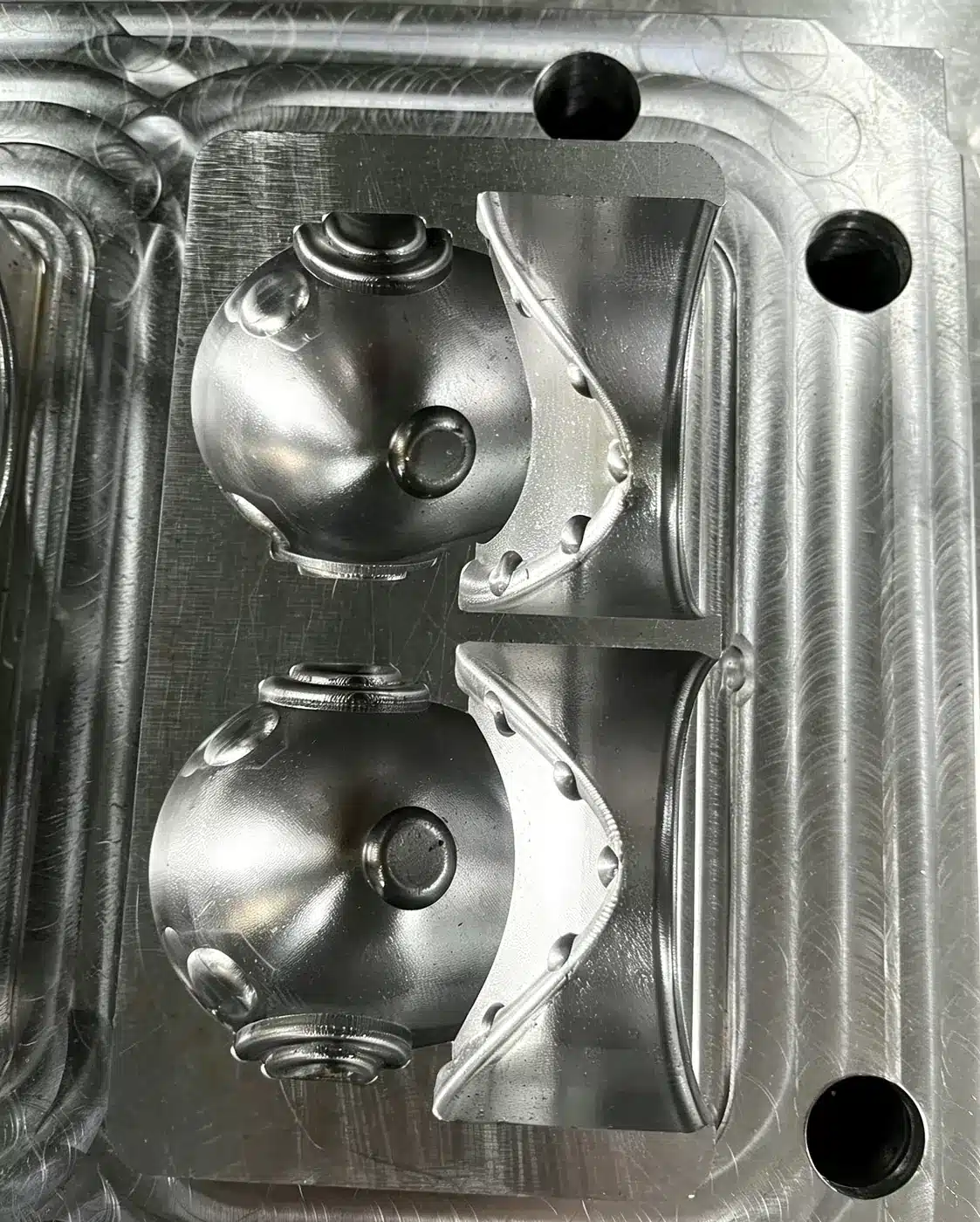
Zero draft on deep walls, logo strokes under 0.8 mm, 90° internal pockets, and undercuts stacked on a dense sheet all survive a pretty render. They do not survive demold week three.
- Draft - plan 1-3° on vertical walls taller than about 5 mm
- Logo depth - keep emboss shallow (often 0.3-0.6 mm for chocolate/gummy)
- Corners - radius internals; sharp pockets trap material and tear silicone
- File type - STEP preferred for solids; STL needs clean manifold mesh
DFM red flags before you cut metal or print a master: DFM red flags. Send the file early; do not wait until deposit day.
First-Order Checklist (Steal This)
- Define the casting material and temperature window.
- State finished piece weight and tolerance you actually need.
- Pick a sample cavity count before production density.
- Lock Shore A band with the supplier - do not leave it "as needed."
- Name the food-contact market if retail food is involved.
- Pour the sample with production formula, color, and acid level.
- Write approval notes in one email (dimensions, flash, demold, logo fill).
- Only then release MOQ production - see after you approve the sample.
What a Clean First Order Looks Like
A clean first order at RUUIPON looks boring on paper: clear STEP, daily output, material, market, sample pour, written sign-off, then production trays. Lead time for a prototype is usually measured in days after CAD approval; production follows sign-off on a 2-4 week band depending on density and grade. Cost structure without fake sticker prices: custom silicone mold cost guide.
If you are launching a branded shape for chocolate, gummy, resin, or candle work and you want the first PO to stick, send files and the checklist above to [email protected], WhatsApp +86 135 3006 2969, or /contact. We will tell you when silicone trays are the wrong buy - and when a smaller first run is the smarter one.
Ready to order custom silicone molds?
Free quote for OEM/ODM projects. MOQ 20 · Prototype 3-7 days · FDA/LFGB available.