
Custom Silicone Gummy Mold Design Guide: Cavities, Draft & Food-Grade Specs
Design custom silicone gummy molds that demold cleanly - cavity layout, draft angles, food-grade FDA/LFGB specs, and prototype-to-production workflow for brands from MOQ 50.
 Kyler Yang · Founder7 min read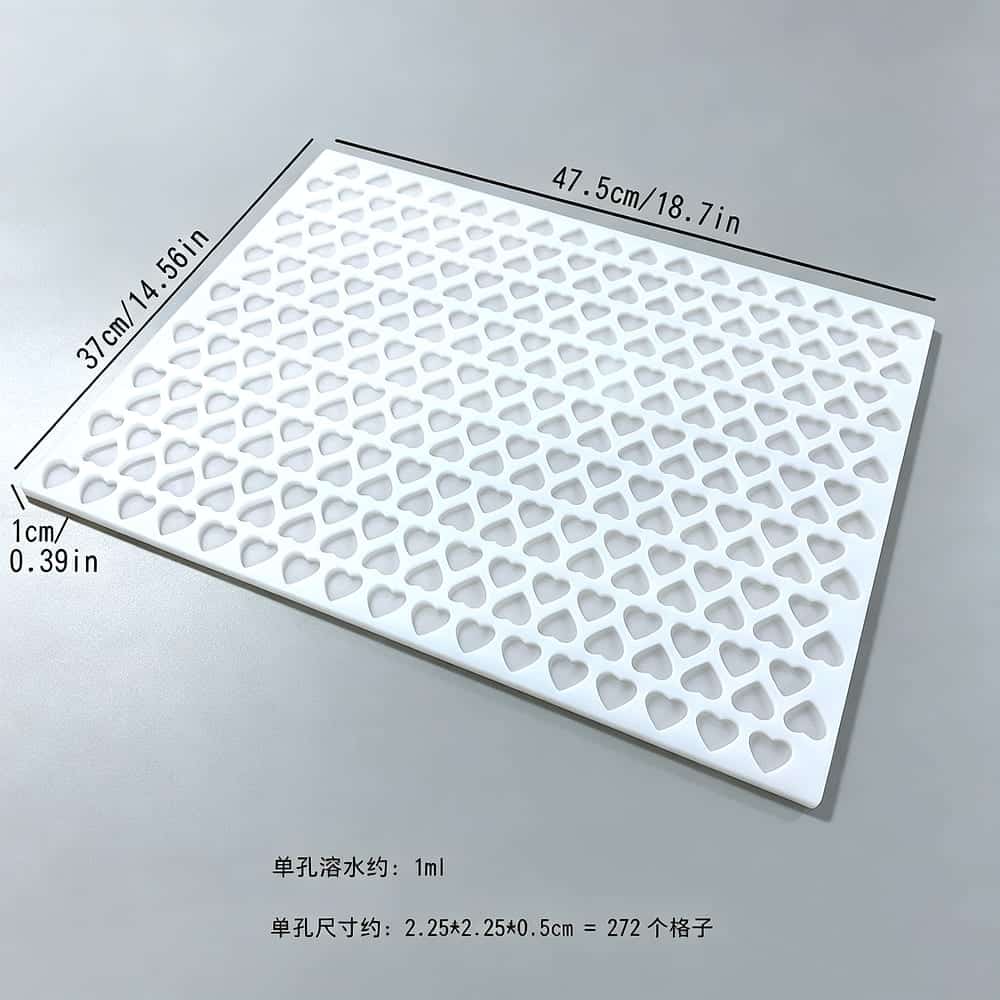
On this page
Custom silicone gummy molds are how supplement brands, confectionery startups, and private-label candy lines turn a logo or character shape into repeatable production - without committing to high-volume steel tooling on day one. This guide covers cavity layout, draft, food-grade material specs, and the workflow RUUIPON uses for custom silicone gummy molds from MOQ 50 pieces.
Quick answer: A production-ready gummy mold needs shallow cavities (typically 8-15 mm deep), 1-3° draft on vertical walls, 8-12 mm spacing between cavities, and platinum-cure silicone with FDA-compliant or LFGB-tested documentation. Prototype a 1-6 cavity sample first; scale layout after a clean demold test with your actual gummy formula.
What Makes a Gummy Mold Design Work in Production
Gummy manufacturing fails in the mold long before it fails in the kitchen. The most common buyer mistakes are ordering a dense 24-cavity tray before testing demold with real starch-dusted or oil-coated gummies, or specifying logo depth so deep that air locks in every pour cycle.
RUUIPON builds custom silicone gummy molds for brands that need branded shapes at small-to-mid volume - not the multi-ton steel presses used at industrial gummy factories. If your target is millions of identical bears per month in a single plant, steel tooling and a dedicated confectionery line may be the right path. For launches, seasonal SKUs, supplement shapes, and boutique candy brands, silicone trays at MOQ 50 are usually the faster, lower-risk entry point.
| Design element | Typical range | Why it matters |
|---|---|---|
| Cavity depth | 8-15 mm (most shapes) | Deeper = longer cure and harder demold |
| Wall draft | 1-3° on vertical faces | Prevents vacuum lock on pull |
| Cavity spacing | 8-12 mm edge-to-edge | Thin walls tear under row flex |
| Logo / texture depth | 0.3-0.6 mm | Deeper emboss traps air in starch workflows |
| Shore A hardness | 30-40 for dense trays | Sheet stays flat under fill weight |
| Material grade | FDA-compliant or LFGB-tested platinum cure | Required for food contact markets |
Cavity Layout & Spacing for Gummy Trays
Cavity count should follow daily output, not what looks impressive in a catalog photo. A 6-12 cavity tray with reliable demold often beats a 24-cavity sheet that tears at pull 80.
- Define daily output - How many finished gummies do you need per shift? Divide by realistic cycles per tray (pour + set + demold).
- Measure finished piece size - Include any flash or meniscus you accept at the cavity lip.
- Set spacing first - Plan 8-12 mm between cavities for small bears and worms; 12-18 mm for wider shapes with ears or arms.
- Add an outer rim - 10-20 mm frame gives operators grip without crushing edge cavities.
- Align pour direction - Fill rows left-to-right so the last cavities are not air-trap dead zones.
- Approve on sample cavities - Run 1-6 up before cutting the production layout. See multi-cavity layout guide.
For food and confectionery buyers, our food & confectionery solution page maps typical tray sizes to brand launch timelines.
| Daily output | Suggested cavities / tray | Notes |
|---|---|---|
| <100 pcs | 1-6 | Ideal for new shapes and R&D batches |
| 100-300 pcs | 6-12 | Most small-brand sweet spot |
| 300-600 pcs | 12-24 | Only after sample demold is clean |
| 600+ pcs | Multiple trays or scaled layout | Consider labor per demold, not cavity count alone |
Draft Angles & Demold Paths
Gummies are soft when warm and can stick in sharp vertical corners. Draft - a slight taper on cavity walls - is the cheapest insurance against torn silicone and mangled ears on character shapes.
- 1° minimum on any vertical wall taller than 5 mm
- 2-3° on deep cavities or shapes with undercuts near the parting line
- Radiused internal corners - avoid 90° pockets where gummy gel pools and tears on pull
- Parting line placement - put the widest silhouette at the open top of the cavity when possible
Undercuts on gummy bears (ears, arms) are manageable in silicone if the cavity is shallow and walls flex. Deep undercuts on a dense sheet will slow every demold. Read silicone mold undercuts & draft angles for cross-material rules.
Food-Grade Specs: FDA & LFGB for Gummy Molds
Food contact is a materials and documentation issue. Request platinum-cure silicone formulated for food contact, with test reports that match your target market.
- FDA-compliant - common ask for US retail and Amazon listings
- LFGB-tested - stricter migration testing; often requested for EU/Germany distribution
- No tin-cure silicone - craft and resin grades are not food-safe
- Temperature range - confirm −40°C to +230°C for hot-fill or dep molding workflows
We do not invent certifications beyond what the silicone supplier provides. Compare standards in FDA vs LFGB explained. For release agents on food molds, see release agent guide.
Gummy Formulation & Mold Fit
Your mold design must match how you actually cast - starch molding, direct deposit into cavities, or cold-fill gelatin workflows behave differently.
- Share your formula type - pectin, gelatin, or hybrid; this affects set time and shrink.
- State deposit temperature - hot fill may need slightly firmer Shore A on large trays.
- Confirm demold method - flex-and-pop vs push-from-bottom affects draft and wall thickness.
- Account for shrink - most gummy formulas shrink 1-3% on set; CAD should target finished size, not wet fill size.
- Test with color and acid - citric acid and some dyes can affect stick over long runs; note this in your brief.
Shore hardness selection affects how the tray handles fill weight: Shore A guide.
Prototype to Production at RUUIPON
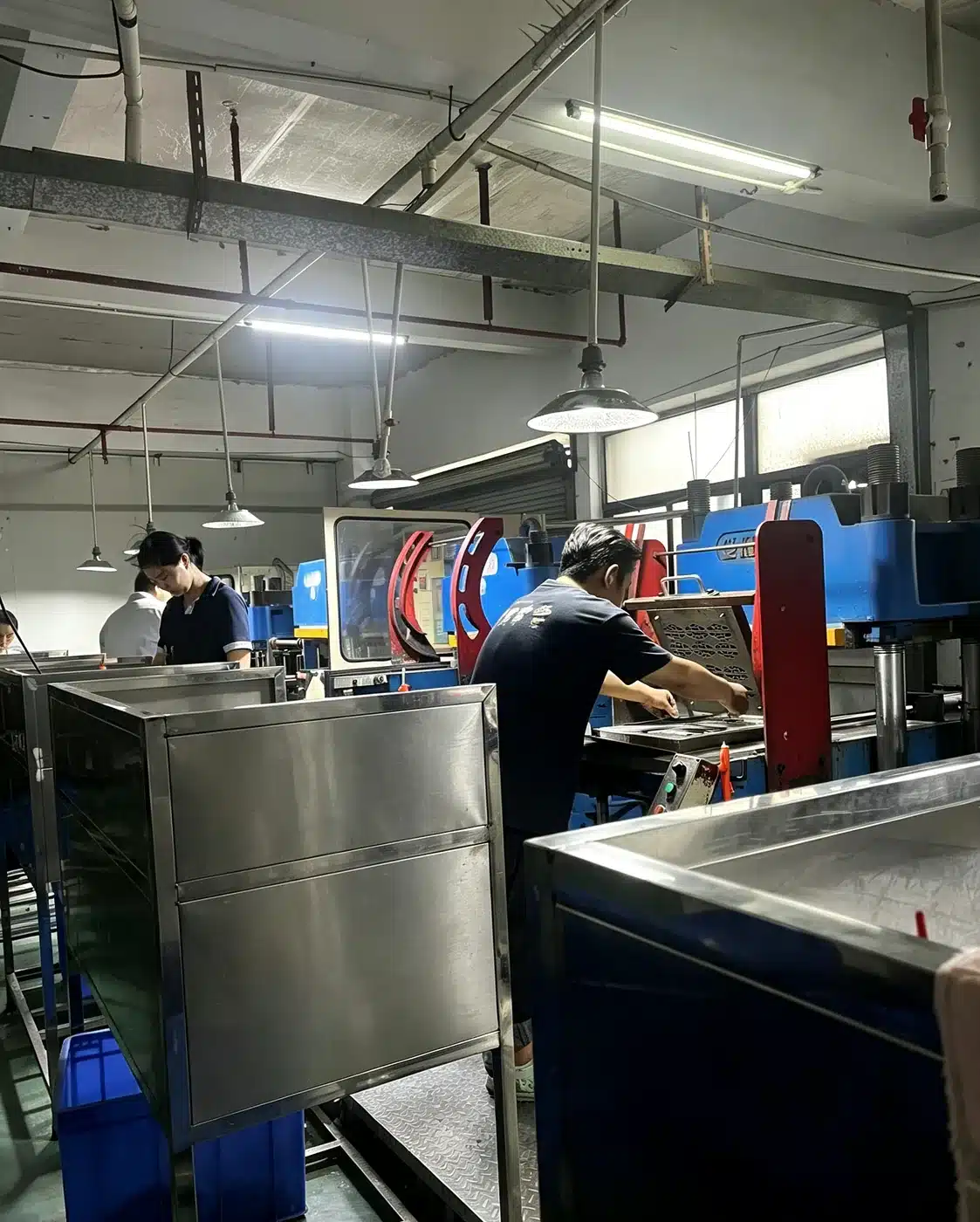
RUUIPON is a custom silicone mold manufacturer based in Shenzhen, serving brands that need production-quality trays without steel-tooling MOQs.
| Stage | Timeline (typical) | Output |
|---|---|---|
| Quote review | ~24 hours after files/specs | Layout recommendation, Shore A, grade |
| Prototype mold | 3-7 days after CAD sign-off | 1-6 cavity sample tray |
| Sample test | Your kitchen / line | Demold, weight, logo fill check |
| Production run | 2-4 weeks after approval | MOQ 50+ per design |
Send STL/STEP, target piece weight, daily output, and market (US/EU) to Contact RUUIPON - [email protected] or WhatsApp +86 135 3006 2969. Process overview: prototype to production and how to order.
Supplement Gummies vs Candy: Design Differences
Custom silicone gummy mold design diverges sharply between confectionery candy and supplement formats - buyers often conflate both under "gummy mold."
| Factor | Candy / confectionery | Supplement / nutraceutical |
|---|---|---|
| Shape complexity | Characters, bears, worms | Oblong, square, clear dose shapes |
| Weight precision | ±5% often acceptable | ±2-3% may be required per dose |
| Documentation | FDA/LFGB food contact | Food contact + your QA protocols |
| Deposit method | Starch or direct deposit | Often direct deposit, tighter QC |
| MOQ reality | MOQ 50 viable for launches | MOQ 50 for tray; fill line volume separate |
Supplement brands launching at MOQ 50 trays still need fill-line validation - the mold is only one component. Share whether you starch-mold, deposit into dry cavities, or use a depositor with defined shot size so cavity volume matches active mg claim on label through finished piece weight, not CAD volume alone.
Acid level, pectin vs gelatin, and mold release powder (if used) change demold friction. High-acid citrus formulas may require more frequent tray cleaning and earlier reorder - plan rotation sets for Q4 seasonal SKUs rather than one hero tray for all scents. Color batch consistency across trays matters for brand recognition; order production molds in same material batch when possible and note batch ID on PO.
RUUIPON focuses on custom silicone tooling for small and mid-volume brands - not industrial steel gummy plants running 24/7 depositors. If your roadmap includes eight-figure annual unit volume in a dedicated facility, steel tooling and integrated lines may eventually replace silicone; until then, silicone prototypes and MOQ 50 production trays de-risk shape and demold before capital commitments.
Frequently Asked Questions
What is the MOQ for custom gummy molds at RUUIPON?
Production runs start at MOQ 50 molded pieces per design. Prototype samples are quoted separately.
How long does a gummy mold prototype take?
Typically 3-7 days after CAD approval. Production trays follow sample sign-off in roughly 2-4 weeks.
Do I need FDA or LFGB for gummy molds?
For retail food contact, yes - specify your market. We supply FDA-compliant or LFGB-tested platinum-cure silicone with supplier documentation as available.
How many cavities should my first tray have?
Start with 1-6 cavities to validate demold with your formula, then scale layout. Jumping to 24-up on day one often wastes a full tool remake.
Can silicone gummy molds match steel-tool detail?
Silicone captures fine logo detail for small and mid runs. Ultra-high-volume identical output may eventually justify steel; silicone is the right bridge for MOQ 50-5000 launches.
What draft angle do gummy molds need?
Plan 1-3° on vertical walls; more on deep or undercut shapes. Sharp 90° pockets tear silicone and stick gummies.
How do I get a quote?
Email [email protected] with CAD, cavity count target, formula type, and market. Expect a response in about 24 hours.
Ready to order custom silicone molds?
Free quote for OEM/ODM projects. MOQ 20 · Prototype 3-7 days · FDA/LFGB available.