
Custom Gummy Molds for Small-Batch Confectionery (MOQ 20 Path)
Custom gummy molds for small-batch confectionery - MOQ 50 path, Shore A, cavity count, sample pours in 3-7 days, and when catalog trays cost more in scrap.
 Kyler Yang · Founder7 min read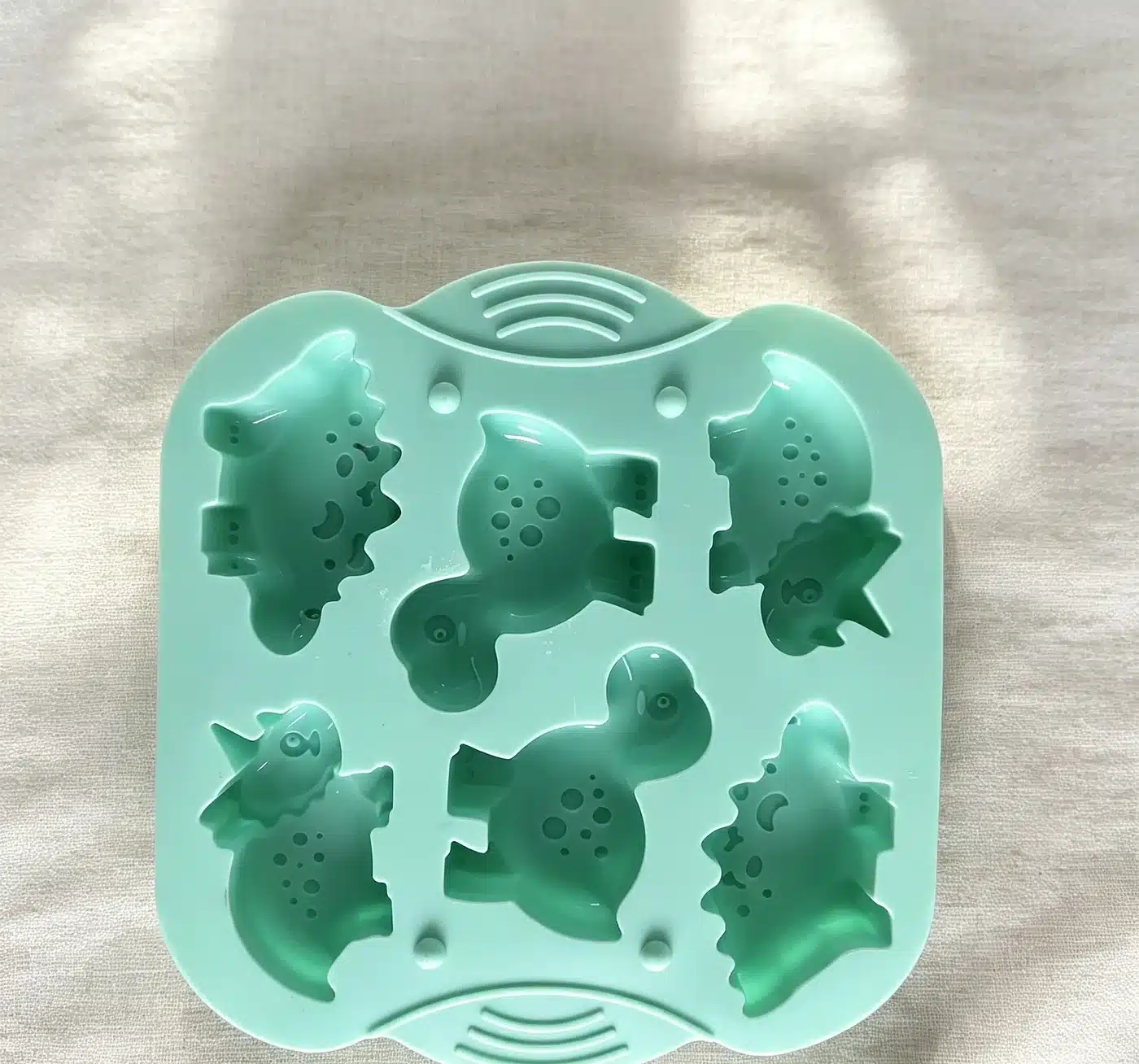
On this page
A pectin gummy startup emailed us after a Saturday market: half the tray stuck, webs tore on flex, and the last 40 pieces looked lighter than the first 40. They had bought a dense catalog sheet because "per cavity" looked cheap. Their formula was fine. The cavity depth and Shore band were not. Small-batch confectionery fails on tooling long before it fails on recipes.
If you are launching custom gummy molds for small batch runs, stop shopping by cavity count photos. Start from dose weight, demold labor, and a path that lets you revise before you print labels.
Sticky Night Shift Is Usually a Tray Problem
Operators blame the cook when pieces hang in corners. We check Shore A first, then logo or character undercuts, then wall thickness. Soft gels want platinum silicone in roughly Shore A 20-35 so the tray flexes without tearing thin webs. Harder catalog stock feels "durable" in the hand and still holds pectin in deep wells after cool-down.
RUUIPON builds custom silicone gummy molds for brands that need custom silhouettes at MOQ 50, prototypes in about 3-7 days after CAD approval, and production commonly in a 2-4 week window after sample sign-off. Complete briefs usually get a quote within about 24 hours.
Catalog Density vs Custom Fit
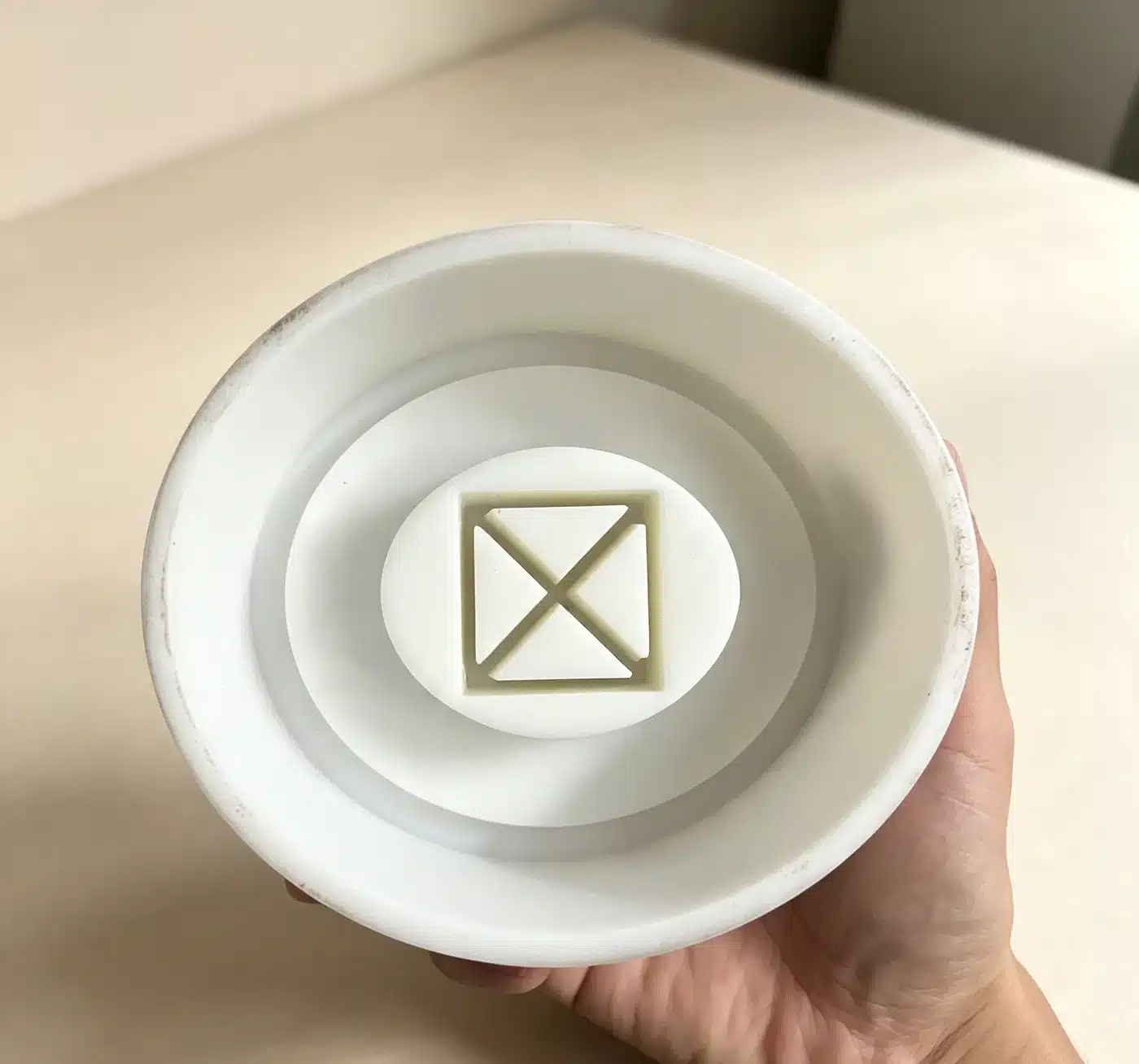
Catalog trays pack cavities to look good in a listing photo. They rarely match your target grams, depositor tip size, or cool time. When cavities sit 4-6 mm apart, flex stress concentrates in the webs. Operators pull harder. Tears start. Oil spray becomes a habit. Then you taste residue and still fight stick on cold pieces.
Custom trays start from the piece, not the photo. Spec finished weight, fill method (hand pipette vs depositor), and demold method (flex peel). Keep character emboss shallow when you can - often 0.3-0.6 mm for marks that must release clean. Deeper facial detail needs draft and a softer Shore band, or you will teach every new hire a pry routine.
Case (anonymized): a US small-batch gummy brand pouring ~8-12 kg/week on weekends ran a 48-up catalog sheet. Stick scrap sat near 14% on pectin, webs tore on about every third flex. We cut a 24-cavity custom tray at Shore A 25, walls ~3 mm, spacing ~12 mm, emboss 0.4 mm. After a sample pour with their formula, they ordered MOQ 50. Scrap fell under 3% and dose weight stayed inside +/-0.3 g on the scale check. They lost cavity count per tray and gained sellable pieces per hour.
Shore A, Walls, and Web Tears
Hardness is not a vibe. Put a number on the RFQ. For sticky pectin we often land in Shore A 20-30; gelatin that demolds cleaner can sit a bit firmer, still usually under Shore A 40. Primer: Shore hardness guide. Cure system matters - tin-cure craft trays age and stick sooner under warm gels; platinum is the food production baseline. See platinum vs tin cure.
Wall thickness in the 2.5-5 mm band keeps trays flexible without floppy edges that spill fill. Spacing in the 8-20 mm band reduces web tears when operators peel row by row. If you need gelatin vs pectin geometry notes before you lock CAD, read gelatin vs pectin gummy mold design - pectin usually wants more flex and more forgiveness on draft.
Food docs belong on the quote, not in chat. Name US vs EU so FDA-facing or LFGB-style packs match retail. Detail: FDA vs LFGB.
Cavity Math for Small Batches
Small-batch does not mean "as many cavities as fit on A4." Start from hourly output and cool time. If you pour 6 kg in a session and each piece is 4 g, you need 1,500 pieces - but if cool time is 45 minutes and you only have two racks, a 48-up tray that tears on demold still loses to a 20-up tray you can peel clean twice as fast.
Write the session math on one sticky note before you RFQ: kg per session, grams per piece, cool minutes, how many trays fit on the rack, and how many people peel. That five-number brief beats "make it like the photo but denser." Dense sheets punish pectin harder than gelatin because stick raises flex force on every web.
Layout math without guessing: how many cavities. For low-volume launches, fewer cavities with correct Shore beat dense sheets that need release spray every pour. Low MOQ custom path context: low MOQ custom silicone molds.
If you run both market weekends and a weekday co-packer, spec two cavity counts only when labor models differ - not because marketing wants a "pro tray" photo. One approved silhouette at two layouts is fine; two Shore bands for the same SKU is how operators grab the wrong tray at 6 a.m.
The MOQ 50 Path That Protects Cash
Prototype first. Pour your real formula at your real cool time before you lock art and labels. RUUIPON prototypes typically land in 3-7 days after CAD approval. Approve dimensions, flash, demold, and dose weight in one email - see after you approve the silicone mold sample. Then production at MOQ 50 usually follows in a 2-4 week band.
That sequence beats buying 200 catalog trays that fight your pectin, then reordering after markets already taught customers that pieces look uneven. Treat the sample as a line trial: same depositor tip, same cool rack, same peel motion you will use at the market. If the sample only looks good empty on a desk, you have not tested demold.
Cost framing when shops send PDFs: cost guide and how to read a silicone mold quote. A cheap unit price with blank Shore and no sample line is not a small-batch win - it is a remake waiting for your busiest Saturday.
Stay Catalog or Go Custom
| Your situation | Tooling choice | Why |
|---|---|---|
| Unique character, brand mark, or dose weight the catalog misses | Custom silicone, MOQ 50 path | Geometry + Shore match the formula |
| Pectin stick >5% scrap or webs tearing on flex | Custom remake | Catalog density/Shore usually wrong |
| Generic bears for kitchen tests only | Catalog OK short-term | Do not print labels off that tray |
| Need FDA/LFGB docs for retail or Amazon | Custom + named food path | Chat "food safe" fails questionnaires |
| Seasonal shape, revise each quarter | Custom, revise after sample | Cheaper than fighting old cavities |
| Unsure on cavity count | Prototype 3-7 days first | Prove demold before MOQ 50 cash |
If you are still on the fence, run one weekend on the catalog tray with a scrap log: stuck pieces, torn webs, off-weight pieces, minutes per tray. Bring those numbers to the RFQ. We would rather quote against your scrap rate than against a pretty photo of empty cavities.
What to Send for a 24h Quote
- STEP or clean vector of the silhouette plus target grams.
- Gelatin or pectin (and any oil or acid notes that change stick).
- Shore A target band - or ask us to recommend from demold method.
- Daily or session output so cavity count matches labor.
- Food-contact market and docs needed.
- Use the RFQ template so NRE, sample, and production lines stay comparable.
Add cool time, fill method, and whether operators peel by hand or use a rack flip. Those details change wall thickness and spacing more than brand color ever will. Avoid the first-order traps in first-order mistakes - photo-only briefs and blank Shore fields are how small batches inherit catalog scrap rates.
Send formula notes, target grams, and a sketch or STEP to [email protected], WhatsApp +86 135 3006 2969, or /contact. We will tell you whether MOQ 50 custom trays beat your current sheet - usually within about 24 hours on a complete pack.
Ready to order custom silicone molds?
Free quote for OEM/ODM projects. MOQ 20 · Prototype 3-7 days · FDA/LFGB available.