
Craft Silicone vs Food-Grade Custom Molds: What Brands Get Wrong
Amazon and Shopify food brands often buy craft tin-cure trays then fail retailer docs. When platinum food-grade custom molds at MOQ 50 beat hobby rubber — Shore, FDA/LFGB, and quote checklist from RUUIPON.
 Kyler Yang · Founder5 min read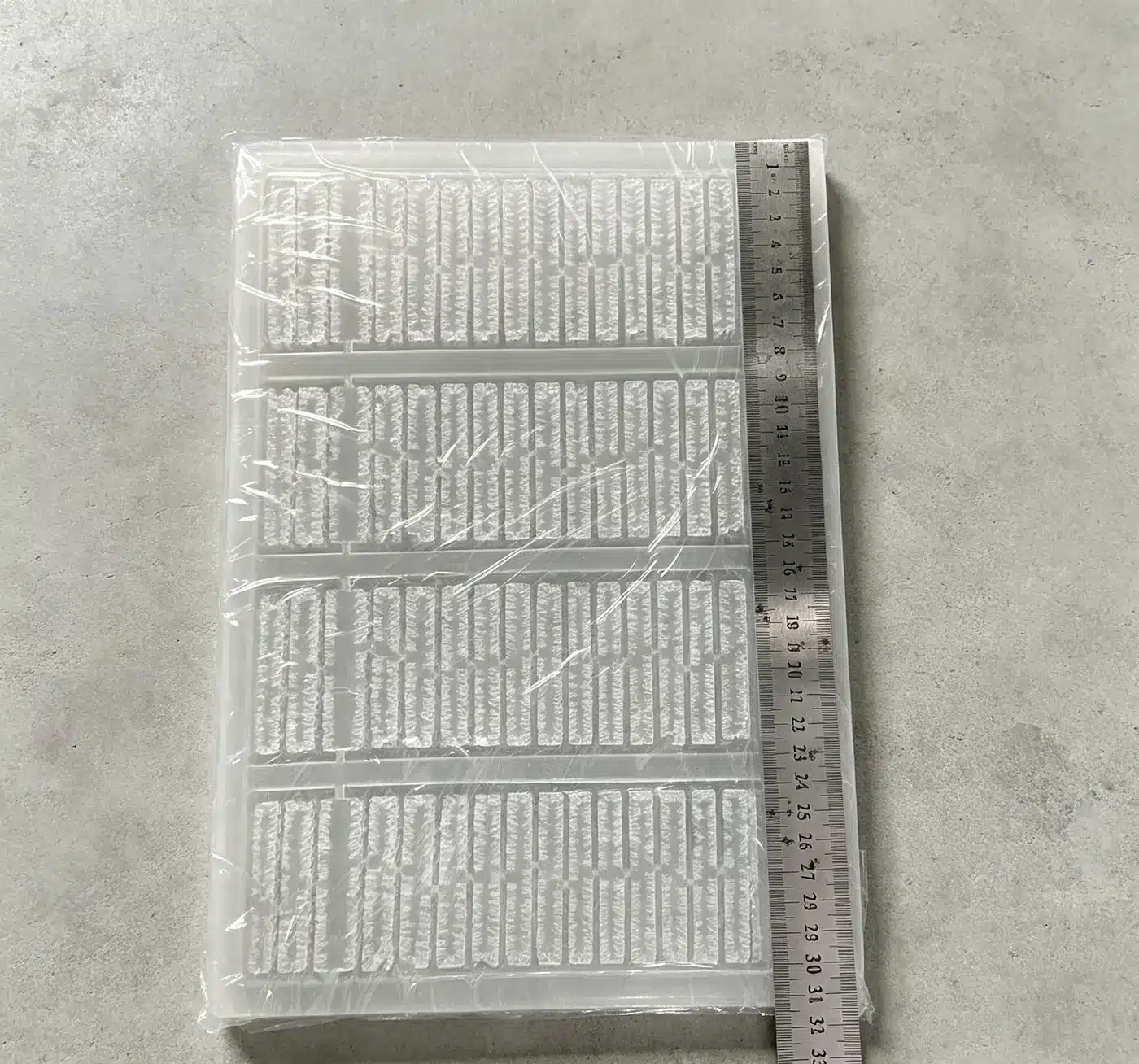
On this page
A chocolate seller launched on Amazon with trays that demolded fine in the kitchen. Then a retailer asked for food-contact paperwork. The supplier sent a craft-silicone SDS. The listing froze. That is not a marketing problem — it is a compound + docs problem dressed up as "food-safe" on a product title.
RUUIPON builds custom soft tooling for brands (MOQ 50, prototype often 3–7 days after CAD lock, quote ~24h on complete files). This page is for buyers who already know their shape and need to stop mixing hobby rubber with retail food claims.
The Failed Retailer Audit
We see the same email pattern: "Is your mold FDA?" attached to a photo of a soft catalog tray bought for resin coasters. Craft and tin-cure mixes can cast chocolate at home. They do not automatically carry FDA 21 CFR 177.2600 or LFGB sections 30/31 packs for the destination market. Retailers do not care that demold felt fine on pour 12.
If your channel is Etsy hobby only, craft tooling may be enough. If you sell packaged food through Amazon, Shopify retail, or a grocery buyer, start from food-grade platinum and the doc path — then tune Shore. Primer: FDA vs LFGB and the commercial hub food-grade silicone molds.
What Craft / Tin-Cure Usually Is
- Sold for resin, clay, and DIY kits — price and speed first.
- Often tin-cure chemistry that ages stickier and is a poor match for repeated hot temper cycles.
- Paperwork is usually SDS / general rubber data — not a retailer migration pack.
- Geometry is catalog-first: your logo depth and piece weight are approximate.
Craft trays are fine for prototype art and non-food crafts. They are the wrong default for a branded chocolate bar you will defend in a chargeback.
What Food-Grade Custom Means at RUUIPON
Food-grade here means: platinum-cure compound selected for food contact, post-cure discipline, and docs matched to the market you named on the RFQ. It is not a sticker on any soft mold. Custom means cavity volume, draft, and logo depth are built for your fill weight — then you prove pour on a sample before MOQ 50 production.
Brands that need CAD trust before the tooling balance can open with about $110 USD drawing deposit — see cavity drawing before full payment.
Craft vs Food-Grade Decision Table
| Your situation | Craft / catalog | Food-grade custom (MOQ 50) |
|---|---|---|
| Resin coasters, non-food | Often enough | Overkill unless you need brand geometry |
| Kitchen tests, no retail claim | OK short-term | Useful if you already know the SKU will go retail |
| Amazon / grocery food SKU | High audit risk | Default path |
| Logo weight must hit gram band | Guesswork | Cavity locked to target weight |
| EU retailer asks LFGB | Usually no pack | LFGB sections 30/31 path on request |
| US buyer asks FDA rubber report | Often missing | 21 CFR 177.2600 path on request |
Shore, Logo Depth, MOQ Numbers
Food-grade does not pick Shore for you. Typical chocolate trays land near Shore A 30–40; sticky gels often want a softer flex band. Logo emboss for bars commonly sits in 0.3–0.6 mm when you need clean temper demold. Walls often 2.5–5 mm depending on tray size. MOQ is 50 mold pieces per design — not 50 cast chocolates from one tray.
Case (anonymized): a US brand poured fine on craft trays for three months, then a wholesale buyer asked for LFGB. Remake on food-grade platinum, Shore A 32, logo 0.45 mm, 16-cavity. Sample approved in one round; MOQ 50 replaced the craft set. The remake cost less than the wholesale delay.
More geometry: chocolate mold guide, Shore guide. If demold still sticks after food-grade, fix draft/Shore before spraying — stuck demold guide.
What to Put on the RFQ
- Market: US, EU, both — so we pick FDA vs LFGB path language.
- What you cast (chocolate temper band, gummy base, ice, baking).
- Target piece weight / cavity count.
- Logo depth intent (mm) and any undercuts.
- Whether you need the ~$110 drawing-deposit path before tooling balance.
Send to [email protected], WhatsApp +86 135 3006 2969, or /contact. Factory-direct framing: factory-direct molds.
FAQ
Is every soft mold food-grade?
No. Craft and tin-cure trays are common. Food contact needs the right platinum path and paperwork.
Can you make craft silicone "FDA" with a spray?
No. Spray does not create a certification pack.
Do I need both FDA and LFGB?
Only if you sell both markets. Name the destination on the RFQ.
What is MOQ?
50 custom mold pieces per design for production lots after sample approval.
Who is this for?
Brands and short runs — not plant-scale steel/mogul CapEx as the first PO.
Selling food and still on craft trays?
Send the SKU photo + market. We will say whether food-grade custom at MOQ 50 is required, or if you are still in hobby territory.
Ready to order custom silicone molds?
Free quote for OEM/ODM projects. MOQ 20 · Prototype 3-7 days · FDA/LFGB available.